

You've tried every anti dandruff shampoo on the shelf. Still, those white flakes keep coming back within days of washing. Maybe it's not your scalp that's the problem. Hard water mineral buildup can undo even the best formula, leaving residue that irritates skin and dulls color-treated or curly hair alike. Below, we break down the real causes of flaking and share the nine shampoos actually worth your money in 2026.
Why You're Getting Flakes in the First Place
Common Triggers Beyond Genetics
Most flaking traces back to Malassezia, a yeast that lives on everyone's scalp and feeds on the oils your skin produces. In some people it multiplies too fast. That irritates the scalp and speeds up skin cell turnover. The result is those white or yellow flakes you keep brushing off your shoulders. Genetics load the gun, but plenty of other things pull the trigger.
Dry skin is a separate but overlapping problem — thinner, tighter flakes with less oil involved. Product buildup from heavy gels, dry shampoo, or conditioner left too close to the roots can also mimic dandruff. It traps dead skin cells against the scalp instead of letting them shed naturally. Then there's plain irritation: hot water, aggressive scrubbing, or a new fragrance can set off flaking that has nothing to do with yeast at all.
It's also worth knowing that true dandruff, dry scalp, psoriasis, and seborrheic dermatitis get lumped together constantly. They're not the same thing. Psoriasis shows up as thick, silvery patches with defined borders. Seborrheic dermatitis brings redness and greasy scales, often around the eyebrows and nose too. If drugstore shampoo does nothing after a few weeks, a dermatologist visit — not a bigger bottle — is the next step. And rankings compiled by dermatologists can help you figure out which formulas are actually worth that trial period.
Hard Water's Role in Scalp Irritation
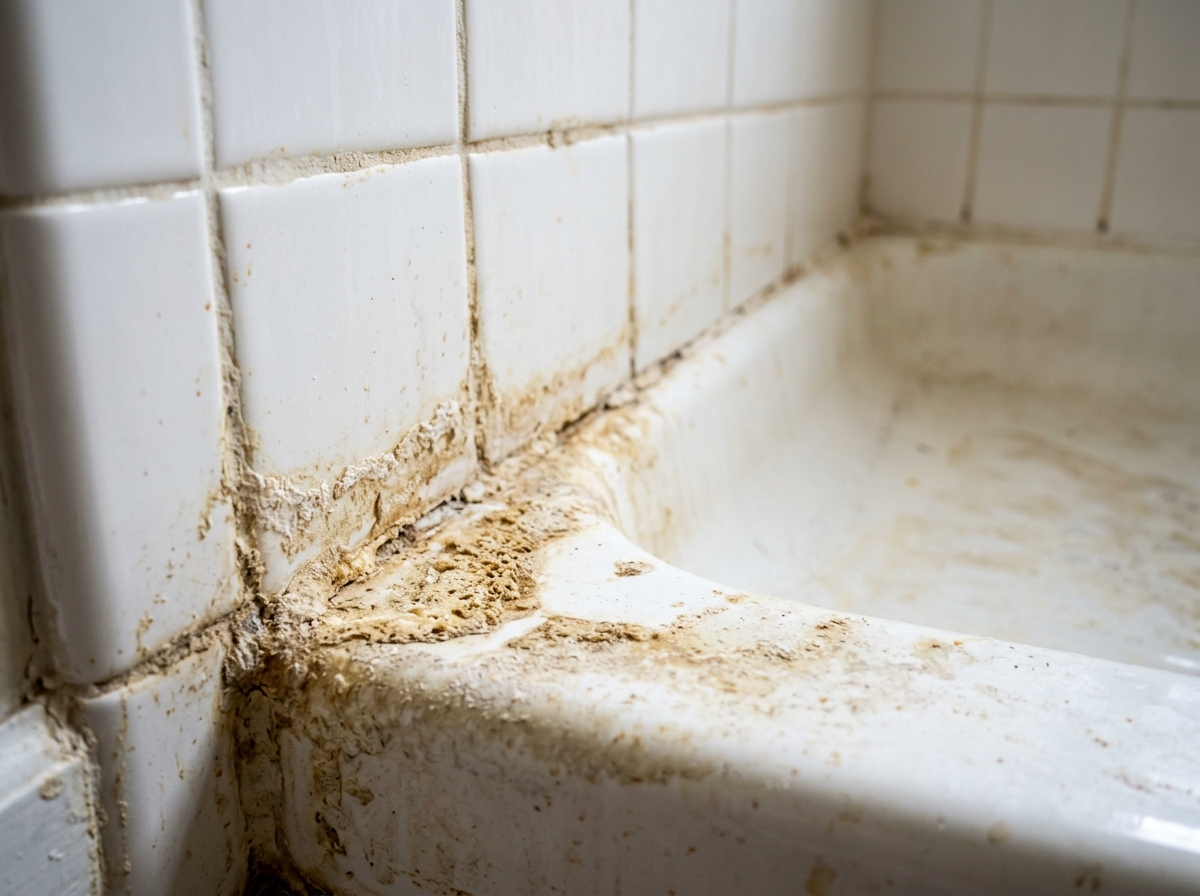
Here's the part people miss: your water might be doing half the damage. Calcium and magnesium in hard water don't rinse cleanly. They bind with shampoo and settle on the scalp as a mineral film, stripping natural oils in the process. That film traps dead skin, dulls hair, and irritates the same nerve endings that flare up with genuine dandruff. So you treat the yeast, but the real culprit's sitting in your pipes.
This is why flare-ups often feel seasonal or tied to a product switch, when the real variable is water chemistry. Move to a new city. Stay at a relative's house over the holidays. Or install a new shampoo into your routine right when mineral buildup peaks in a dry season, and you'll swear the product caused it. In reality, whether hard water causes dry skin is a question worth separating from product blame before you toss another bottle. Sorting out which trigger is actually yours saves you money and a lot of guessing at the drugstore aisle.
How to Choose the Right Anti Dandruff Shampoo
Active Ingredients Compared
Not all anti-dandruff shampoos work the same way. Picking one really comes down to what's causing your flakes. Some ingredients kill the fungus behind seborrheic dermatitis, others just slough off dead skin. Knowing the difference saves you months of trial and error. Here's how the five most common actives stack up.
| Active Ingredient | How It Works | Best For | Watch Out For |
|---|---|---|---|
| Pyrithione zinc | Antifungal + antibacterial | Mild to moderate dandruff, daily use | Can dry hair with overuse |
| Ketoconazole | Strong antifungal | Stubborn or recurring flakes | Often needs a prescription strength |
| Salicylic acid | Exfoliates scalp buildup | Thick, scaly patches | Can be drying if overused |
| Selenium sulfide | Slows skin cell turnover | Oily scalps with visible flaking | Strong smell, can discolor light hair |
| Coal tar | Slows cell turnover, reduces inflammation | Chronic, severe dandruff | Can stain, sun sensitivity, strong odor |
Supporting ingredients matter too. Ceramides rebuild the scalp's protective barrier. Niacinamide calms inflammation. Hyaluronic acid holds onto moisture so the scalp doesn't overcompensate with more oil. None of these treat dandruff directly, but they make the active ingredient's job easier.
Formula Considerations for Sensitive or Treated Hair
If your hair is color-treated, curly, or chemically processed, ingredient choice gets trickier. Sulfates strip color fast and leave curls frizzy and parched. So seeking out a sulfate free shampoo for curly hair is worth the extra label-reading. Look for formulas that pair a mild active like pyrithione zinc with moisturizing agents rather than harsher options like coal tar, which can be too stripping for porous or processed strands.
For eczema-prone or reactive scalps, fragrance-free and dye-free formulas cut down on irritation risk significantly. A dedicated provider or dermatologist will often suggest patch-testing a new formula behind the ear first. That's a smart habit generally. Brands like Nizoral and Vanicream Free & Clear are commonly recommended for sensitive skin, and browsing a broader dandruff shampoo for hair & scalp lineup can help you compare fragrance-free options side by side before committing to one.
9 Anti Dandruff Shampoos Worth Trying in 2026
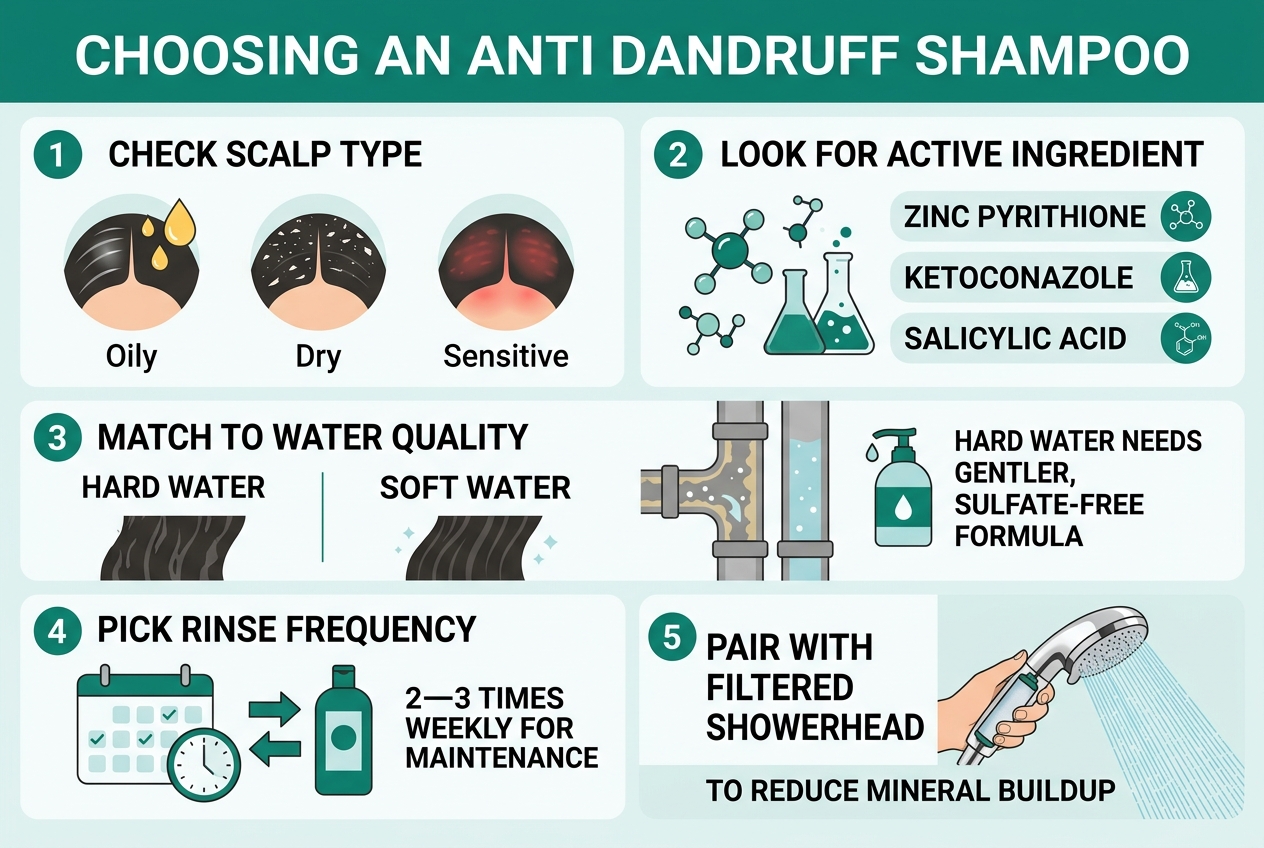
There's no single "best" anti dandruff shampoo. There's the best one for your scalp, your budget, and your hair type. Some formulas fight fungus, some calm inflammation, and some just strip buildup so flakes can't grab hold. Below is a spread across drugstore, dermatologist-favored, botanical, and texture-specific picks, so you can match the active ingredient to what's actually happening on your head.
- Head & Shoulders Classic Clean — pyrithione zinc, roughly $8–10, use every wash for mild flaking; it's the reliable drugstore workhorse most people try first.
- Nizoral A-D — ketoconazole 1%, around $15–18, best for stubborn or fungal-driven dandruff, use twice weekly rather than daily since it's stronger medicine.
- Neutrogena T/Sal — salicylic acid, about $10, great for thick scale and psoriasis-adjacent flaking, but it can feel drying if overused.
- Vanicream Free & Clear — no fragrance, no dyes, roughly $12, dermatologists often recommend it for eczema-prone or reactive scalps needing a bare-bones formula.
- Briogeo Scalp Revival — tea tree and peppermint, near $38, a botanical option that's gentle enough for curls and won't disrupt your wash-and-go routine.
- Redken Scalp Relief — salicylic acid plus a color-safe base, around $25, formulated so it won't fade dye between salon visits.
That range covers most budgets and most causes, from $8 basics to $38 spa-shelf picks. Frequency matters more than price, though. Using a medicated shampoo daily when it's meant for twice-weekly use can backfire fast.
Best for Sensitive Scalps
If your scalp reacts to everything, skip fragrance and go fewer ingredients, not more. Vanicream and similar "free and clear" lines work because there's nothing extra to irritate. Reading a straightforward Dandruff Shampoo: Shop & Learn More guide before buying can help you spot which actives tend to trigger reactions in reactive skin. Start with once or twice weekly use, then adjust based on how your scalp responds — not on the bottle's marketing.
Best for Color-Treated Hair
Sulfates and harsh sulfur compounds can strip dye fast, so color-safe anti dandruff formulas usually lean on gentler surfactants and lower concentrations of active ingredients. Redken Scalp Relief and similar salon lines are built with this tradeoff in mind. Water quality plays a role too — hard water minerals can dull color regardless of shampoo, which is why some people also look into a helios showerhead filter ingredients glossary to understand what's actually hitting their hair each wash. Two washes a week is usually plenty for color-treated strands.

How to Use Anti-Dandruff Shampoo for Best Results
Good technique matters as much as the bottle you pick. Slapping shampoo on and rinsing in ten seconds wastes the active ingredient before it ever gets to work.
Step-by-Step Application
Start with hair that's thoroughly wet — a quick splash isn't enough, since dry patches near the scalp can block even distribution. Work the shampoo directly onto the scalp, not just through the lengths, and massage for a full 3 to 5 minutes. That massage time is non-negotiable. It's what lets pyrithione zinc or ketoconazole actually sit against the skin long enough to disrupt the yeast and buildup causing flakes. Products like Anti-Dandruff Hydrating Shampoo For All Hair Types are formulated with this contact time in mind, which is why the label instructions matter more than habit.
Leave-on time and frequency shift depending on the active. Here's a quick reference for the two most common ones:
| Active Ingredient | Leave-On Time | Frequency | Best Paired With |
|---|---|---|---|
| Pyrithione Zinc | 3-5 minutes | Daily to start, then 3x weekly | Regular moisturizing shampoo on off days |
| Ketoconazole (1-2%) | 3-5 minutes | 2-3x weekly | Gentle, sulfate-free shampoo between uses |
| Salicylic Acid | 2-3 minutes | 2-3x weekly | Hydrating conditioner to offset dryness |
| Coal Tar | 5 minutes | 2x weekly | Leave-in scalp oil on non-treatment days |
Rinsing matters just as much as applying. Leftover residue can trap minerals from hard water against the scalp, and many people already dealing with dryness elsewhere on the body find that exploring soft wave therapy helps them think differently about full-body skin care routines. Rinse until the water runs completely clear, then rinse a bit more. In hard water areas, that buildup is real, and it's stubborn.
Why Your Shampoo Might Not Be Working
The Hard Water and Scalp Buildup Connection
Here's the part most people never think about: it's not always the shampoo. Hard water carries dissolved calcium and magnesium, and every time you rinse, those minerals settle onto your hair and scalp like a fine layer of scale on a kettle. Over weeks, that mineral film thickens. It coats the scalp surface and acts like a barrier, so the zinc pyrithione or salicylic acid in your shampoo never really gets where it needs to go.
That buildup doesn't just block ingredients. It creates its own mess. Mineral deposits can leave hair looking dull, flat, and oddly coarse, even right after washing. Worse, the residue itself can irritate the scalp, causing tightness, itchiness, and flaking that looks exactly like dandruff returning. Many people assume their treatment stopped working when really, the water never let it start.
This is why some people swear by a product for months, then suddenly feel like it's "stopped working." The shampoo probably didn't change. The water did the damage quietly. Regional water hardness shifts with seasons and pipe conditions, so a formula that worked fine in spring can feel useless by fall.
What Filtered Water Changes
Swapping shampoos every few months is a common response, and it's usually the wrong one. If mineral buildup is the actual problem, a new bottle just means a new active ingredient getting blocked the same way the last one was. People often cycle through three or four products a year chasing results that never stick, spending real money without ever addressing the root cause sitting in their pipes.
Filtering water at the showerhead reduces the mineral load before it ever reaches your scalp, which means fewer deposits building up between washes. With less residue in the way, active ingredients can actually penetrate skin and follicles instead of sitting on top of a chalky film. Some people combine this shift with targeted treatments; if you're comparing options, it's worth knowing that shoppers researching anti dandruff formulations often find results improve once water quality is handled first, not after.
Filtered water won't fix every flaking issue on its own. Genuine seborrheic dermatitis still needs treatment. But for buildup-driven irritation, it removes a variable that's easy to overlook and hard to undo with shampoo alone.
Simple At-Home Habits to Reduce Flaking Between Washes
Daily and Weekly Scalp Care Tips
Shampoo alone won't fix a flaky scalp. What you do between washes matters just as much, and most of it takes five minutes or less. A few small habit shifts, done consistently, can cut down on flakes without adding another product to your routine.
- Don't overwash or underwash — stripping your scalp daily dries it out, while going too long lets oil and dead skin build up and feed the yeast that causes flaking.
- Watch your stress levels and diet, since both are known triggers for flare-ups; poor sleep, high sugar intake, and chronic stress can all make an already irritated scalp worse.
- Brush your scalp gently with a soft-bristle brush a few times a week to loosen flakes and boost circulation, which helps distribute natural oils more evenly.
- Swap in a filter for your showerhead to cut down on the minerals and chlorine that build up on your scalp daily and leave it feeling tight or itchy.
- Stick to lukewarm water instead of hot, since heat strips natural oils faster than you'd think and leaves your scalp more prone to dryness and flaking.
None of this replaces treatment, but it removes the stuff working against you. If you're using a medicated option, learning about Nizoral Anti dandruff formulas can help you understand how ketoconazole-based shampoos pair with these habits. Small changes, kept up consistently, tend to beat one big overhaul that fizzles out after two weeks. That's just how scalp care works.
Frequently Asked Questions About Dandruff and Shampoo Care
Quick Answers to Common Concerns
Not everyone responds to the same active ingredient. That's just biology. Zinc pyrithione works well for mild, garden-variety flaking, but if your flakes come from a fungal overgrowth, you may need ketoconazole or selenium sulfide instead. Some people try three shampoos before finding one that actually calms their scalp. If nothing seems to help after a month of consistent use, the dandruff you're treating might actually be seborrheic dermatitis or psoriasis, which need a different approach entirely.
Daily use isn't usually the goal. Most medicated shampoos are meant for two to three uses a week, with a gentler formula in between so your scalp doesn't dry out or get irritated. Rotating between a treatment shampoo and a regular moisturizing one, like something from the Nexxus or Aveeno lines, keeps your scalp barrier intact while still delivering the active ingredient. Overusing medicated formulas can backfire, leaving you flakier than when you started.
Color-treated and curly hair can tolerate most dandruff shampoos, but check the label first. Look for sulfate-free formulas if you've invested in color, since harsh surfactants strip pigment fast. Curly hair does better with a treatment shampoo used less frequently, paired with a leave-in conditioner to offset dryness. It's a balancing act, not a one-size fix.
Kids with scalp eczema need a gentler hand. Pediatricians often recommend starting with fragrance-free, low-strength formulas rather than adult-strength medicated shampoo. Talk to a pediatric dermatologist before introducing anything with ketoconazole or coal tar, since a child's skin absorbs more and irritates more easily.
See a dermatologist if flaking persists past six to eight weeks of consistent treatment, if you notice redness, swelling, or hair loss, or if over-the-counter options just aren't cutting it. That's not a failure on your part. Some scalp conditions genuinely need prescription-strength treatment or a proper diagnosis before anything else will work.
Before committing to anything, it's worth getting clear on what problem you're actually solving: if hard water is affecting every tap, appliance, and load of laundry in the house, a whole-home softener installed by a licensed plumber is the tool built for that job, and a water hardness test from an independent lab will tell you whether your mineral levels justify the expense. If your concerns are narrower — dry skin after a shower, dull hair, the chlorine smell at the bathroom sink — then point-of-use filtration on a showerhead or under the sink addresses the water that actually touches you, without pipes being cut or a technician on the calendar. Either way, ask what you're paying for over time, who handles replacement cartridges, and whether persistent skin or scalp issues deserve a dermatologist's opinion before any water change gets credit or blame.
Share:
Clarifying Shampoo for Oily Hair: Is Your Water the Real Culprit?
Medicated Shampoo for Itchy Scalp: How Hard Water Makes It Worse