

You've swapped in every sulfate free shampoo for curly hair that Instagram recommends, yet your curls still feel dry, dull, and strangely unresponsive to product. The shampoo probably isn't lying to you. Hard water coats every strand in mineral buildup before your carefully chosen formula ever gets a chance to work, undoing your routine before it even starts. Below, we break down the nine best sulfate free shampoos worth your money in 2026, plus the water quality fix that makes them actually perform.
Why Curly Hair Needs a Different Wash Day Approach
How coils trap or block moisture
Straight hair gives scalp oil a clear path from root to tip. Curly hair doesn't work that way. Every bend and coil is a small detour, forcing sebum to travel a winding road it often never finishes. The result is a strange contradiction: an oily scalp paired with bone-dry ends, sometimes on the very same head.
That mismatch is why one-size-fits-all shampoo routines fail curls so often. Your roots may look slick after two days while your ends feel like straw. It's not neglect. It's geometry. Curl pattern itself creates the problem, and no amount of extra washing fixes a delivery system that's simply built with more turns.
Sulfates make this worse, not better. They're excellent at stripping oil, which is fine on strands that get regular resupply. Curls don't get that luxury. Strip the little oil that made it down the shaft, and you're left with frizz, rougher cuticles, and breakage where definition used to be. Give it a few wash cycles and the curl pattern itself starts to loosen and disappear.
Porosity's role in product performance
Porosity describes how open or tight your hair's outer cuticle is, and it decides how moisture behaves once it's in there. Low porosity hair has a tightly shut cuticle that resists water and product, often leading to buildup on the surface. High porosity hair has gaps and lifted cuticle scales that let moisture in fast, then let it escape just as quickly.
Medium porosity sits in the middle. It tends to be the most forgiving, absorbing and holding moisture without much drama. Low porosity hair usually needs lighter, water-based formulas and gentle heat to help ingredients penetrate at all. High porosity hair, meanwhile, benefits from richer creams and protein-based conditioners that patch the gaps and slow moisture loss.
This is where "gentle" stops meaning one thing. A cleanser that's gentle enough for high porosity strands might sit uselessly on top of low porosity hair, never actually cleaning the scalp. Shoppers hunting for the right match often end up comparing options like sulfate free shampoo and conditioner curly hair sets, since pairing a mild cleanser with the right conditioner matters more for curls than for most hair types. Skip that pairing and you're guessing.
Hard water complicates all of it. Calcium and magnesium in the water supply settle onto the hair shaft as a mineral film, and that film sits on curls regardless of porosity or shampoo choice. It blocks moisture from getting in and blocks product from doing its job. Learning to recognize signs your home has hard water can explain dullness and buildup that no shampoo swap ever seems to fix. Sometimes the bottle isn't the problem. The water pouring over it is.
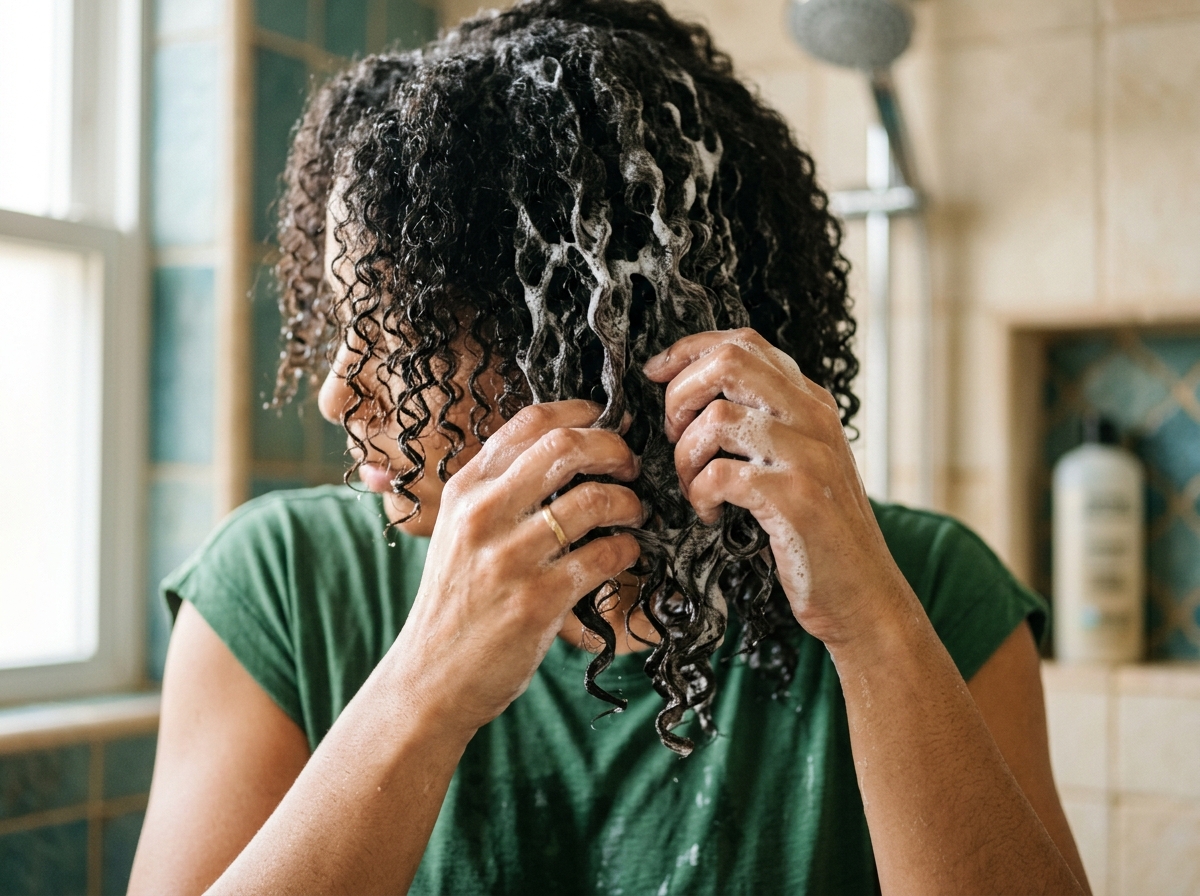
9 Best Sulfate Free Shampoos for Curly Hair
Not every curl needs the same formula. Fine waves drown under heavy butters, while dense coils shrug off light gels like they're nothing. Below is a spread across drugstore, mid-range, and prestige shelves, sorted by curl type so you can skip the guesswork. If you want a broader independent sweep, the Shampoos for Curly Hair of 2026, Tested and ... roundup is a solid cross-check against this list.
Best for fine, wavy curls
Wavy hair gets weighed down fast, so these formulas lean light on protein and heavy on slip without the greasy aftermath.
- OGX Coconut Curls Sulfate-Free Shampoo (drugstore) — a wavy-to-curly pick with coconut oil and shea, mild lather, tropical scent, and a large 13-oz bottle that won't break the bank.
- SheaMoisture Coconut & Hibiscus Curl & Shine (drugstore) — good for fine waves prone to frizz; the low-foam formula rinses clean and smells faintly floral, though it can feel thin if your curls run thicker.
- Briogeo Curl Charisma Rice Amino + Shea Moisture Shampoo (mid-range) — a protein-sensitive-friendly option since rice amino acids are gentler than heavier keratin blends; light lather, subtle fruity scent, moisture claim front and center.
- Innersense I Create Curl Shampoo (prestige) — a clarifying-but-gentle formula built for fine, color-treated waves that build up product fast; it foams lightly and smells herbal rather than sweet, and the 10-oz size lasts a while since a little goes far.
Best for thick, coily hair
Coily hair wants richer conditioning agents. It needs a formula that can cut through buildup without stripping moisture reserves it can't easily replace.
- Camille Rose Naturals Moisture Milk Shampoo (mid-range) — a coily-hair staple with soy milk and honey, cream-style lather, sweet vanilla scent, and a strong moisture claim that holds up through multiple wash days.
- Carol's Daughter Wash Day Delight Shampoo (drugstore, budget pick) — an affordable coily option with jojoba oil that lathers modestly and smells lightly fruity; it won't outperform prestige lines but it's a fair starting point for tight budgets.
- DevaCurl No-Poo Original (mid-range) — technically a low-poo, but it's the classic clarifying-but-gentle entry for high-porosity coils that need buildup removed without a harsh strip; creamy texture, near-scentless, and a cult following for a reason.
- Oribe Curl Shampoo for Moisture & Control (prestige) — color-safe and formulated for coily and highly porous strands, with a rich, low-foam lather and a signature Oribe scent; the bottle is small for the price, but the formula concentration makes up for it.
- Pattern Beauty Hydration Shampoo (mid-range) — built by and for coily, high-porosity hair, with a lightweight lather, honey and flaxseed for slip, and a fresh, clean scent that doesn't linger.
Formula quality only gets you halfway there, though. Hard water minerals coat the cuticle before shampoo ever gets a chance to work, which is why understanding what's actually filtering into your shower matters just as much as what's in the bottle; the helios showerhead filter ingredients glossary breaks down what those cartridge materials are actually doing. Pair the right shampoo with cleaner water, and you'll notice the difference within a few washes. Skip that step, and even a prestige formula ends up fighting a losing battle.
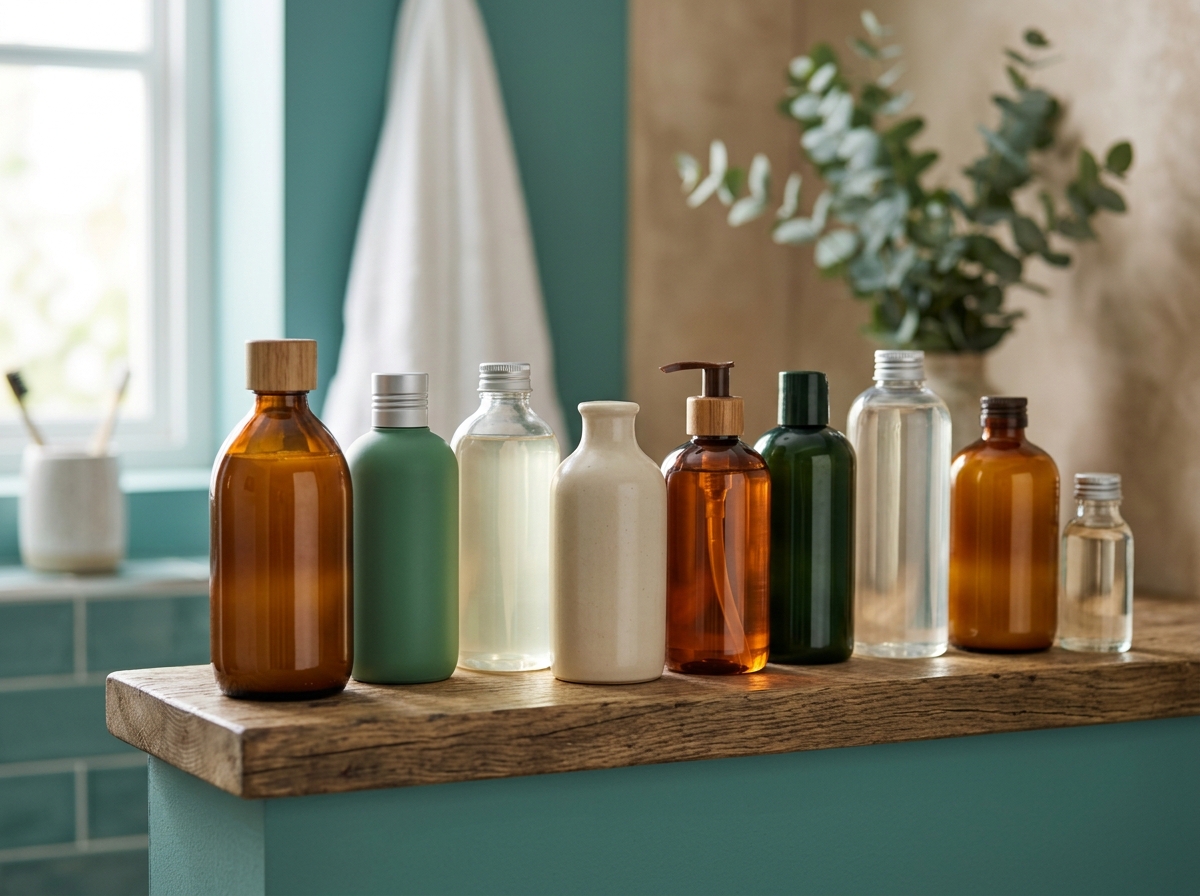
Sulfate-Free vs. Traditional Shampoo: A Side-by-Side Look
Sulfates aren't evil. They're just strong. Traditional formulas rely on sulfates like sodium lauryl sulfate to strip oil fast and build a rich lather, which works great on straight, oily hair and terribly on curls that need every bit of natural oil they can hold onto. Sulfate-free versions swap in gentler surfactants, cost a bit more, and skip the foam theatrics. Here's the breakdown.
| Feature | Traditional Shampoo | Sulfate-Free Shampoo |
|---|---|---|
| Cleansing agent | Sodium lauryl/laureth sulfate | Cocamidopropyl betaine, decyl glucoside |
| Lather level | High, foamy | Low to moderate |
| Moisture retention | Strips natural oils | Preserves more curl moisture |
| Typical price range | $4–$10 | $12–$28 |
| Best used | Monthly clarifying, heavy product buildup | Regular wash days |
Sulfate-free doesn't mean silicone-free or protein-free. That's the trap a lot of curl owners fall into. A shampoo can skip sulfates entirely and still load up on non-water-soluble silicones or heavy proteins that coat sensitive strands and cause buildup over time. If your curls react badly to certain ingredients, read the full list every time, not just the front label. Because formulas change so often between brands, learning to spot patterns via Shampoos for Curly Hair, Tested & Reviewed can save you a few bad bottles. And don't write off sulfates completely: a monthly clarifying wash with a traditional formula still makes sense if you use heavy stylers, swim often, or live somewhere with harder water. It's a reset button, not a daily habit. Used sparingly, it does a job sulfate-free shampoos simply can't.
Reading the Label: What Actually Belongs in a Curl-Safe Formula
Ingredient lists look like a foreign language until you know what you're hunting for. Once you do, spotting a good bottle takes about ten seconds in the store aisle. Here's what actually matters.
Ingredients to seek out
A few markers separate a formula that respects your curls from one that just skipped the sulfates and called it a day.
- A pH between 4.5 and 5.5 keeps the cuticle sealed flat, which means more shine and less frizz right out of the shower.
- Gentle surfactants like cocamidopropyl betaine or decyl glucoside clean without stripping the natural oils curls depend on to stay soft.
- Glycerin and aloe act as humectants, pulling moisture into the strand and helping curls hold definition between wash days.
- Products marketed toward curl definition, such as CURL FRESH Curl Enhancing Sulfate free shampoo, are worth comparing against your current bottle for pH and surfactant type.
- Panthenol shows up often too, and it's genuinely useful — it adds slip and a bit of temporary strength to strands prone to breakage.
Ingredients worth skipping
Not everything to avoid is a sulfate. Some ingredients cause slow, quiet damage that only shows up weeks later.
- Non-water-soluble silicones (look for "dimethicone" without a "PEG" prefix) build up fast if you're not co-washing or clarifying regularly, leaving curls limp and coated.
- Drying alcohols like alcohol denat. show up more in styling gel than shampoo, but they're worth checking for on both.
- Fragrance blends listed only as "parfum" can irritate sensitized scalps, especially if you're already dealing with flaking or dandruff.
- Sodium chloride, plain table salt, is sometimes added to thicken formulas but can dry out already porous curly strands.
None of this is complicated once you've done it a couple times. Read the first five ingredients, check the pH if it's listed, and skip anything promising "silky smooth" with a suspicious amount of shine on the label.
Signs Your Current Shampoo Isn't Working for Your Curls
Some of the signs are obvious, others sneak up on you. If your scalp still itches, feels tight, or turns oily within a day of washing, your shampoo isn't finishing the job. Coated, limp curls are another giveaway — you rinse, you dry, and instead of springy coils you get strands that hang there, heavy and flat, like something's sitting on top of them instead of inside them. Frizz should calm down after a wash, not flare up. If it's worse by evening than it was wet, something in your routine is fighting your curl pattern rather than supporting it.
Definition that fades fast is another red flag. A good wash day should hold shape for three to five days, not one. When curls collapse overnight or look dull by morning, people often blame the shampoo formula first, and sometimes that's fair — but not always. Because curl chemistry is so specific, learning how sulfate-free shampoo for curly hair actually behaves on different porosity levels helps you separate a bad formula from a bad match.
Here's the pattern worth watching: you wash more often because results keep sliding, yet nothing improves. That's rarely the shampoo's fault alone. It's usually mineral buildup from hard water piling onto your strands faster than any cleanser can strip it, leaving a residue that no amount of extra washing fixes. More washing just means more buildup, more often. Blunt truth: you can't out-shampoo hard water.
How to Wash Curly Hair for Maximum Definition
Technique matters just as much as the bottle you're holding. You could own the gentlest, most curl-friendly formula on the shelf and still end up with limp, frizzy results if the wash routine itself is sloppy. Curls reward patience and punish shortcuts, so let's break the process down into something repeatable.
Step-by-step wash routine
Order and timing matter more than most people think. Skipping a step, or rushing it, is often why definition falls flat by the time hair dries. Here's the sequence worth following every wash day.
| Step | What to Do | Why It Matters |
|---|---|---|
| 1. Saturate | Wet hair fully for 2-3 minutes under the tap | Product distributes evenly instead of clumping on dry strands |
| 2. Cleanse | Massage shampoo into the scalp only | Suds cleanse lengths as they rinse down, avoiding over-stripping |
| 3. Rinse | Rinse longer than feels necessary | Removes hidden residue that causes dullness and buildup |
| 4. Condition | Apply conditioner to mid-lengths and ends, not roots | Roots stay light; ends get the moisture they actually need |
| 5. Dry | Squeeze with a microfiber towel or cotton t-shirt | Reduces frizz caused by rough terrycloth friction |
Common mistakes that undo good products
Most damage happens after the good shampoo already did its job. Rubbing hair with a regular bath towel roughs up the cuticle and creates frizz you'll fight all day. Piling conditioner onto roots weighs curls down and leaves them greasy by hour three. Rinsing too fast leaves residue behind, which is a common complaint in this discussion about shampoos that clean without stripping curls. And skipping the saturation step? That's how you end up with patchy, unevenly coated strands. None of it takes extra product. It just takes slowing down.
The Hard Water Factor Most Curl Routines Overlook
Why filtered water and gentle shampoo work together
You can buy the best shampoo curly hair sulfate free shelves have to offer, and hard water will still fight you. Calcium and magnesium in tap water bond to the hair shaft, coating strands in a mineral film. That film blocks the very ingredients you paid for. Curls end up dull, weighed down, and strangely rough even when the label promises softness. It's not the formula failing. It's what's riding on top of it, wash after wash.
A filtered showerhead cuts mineral buildup at the source, before it ever touches your curls. With less scale coating each strand, cleansers and conditioners can actually do the job they were designed for, sinking in rather than sliding off. That's the whole point of switching to a gentle formula in the first place, so it seems fair the water should cooperate too.
Vitamin-infused filter cartridges go a step further, supporting scalp comfort right alongside your sulfate-free routine. That matters most in eczema-prone or sensitive-scalp households, where irritation and flaking can spike after a hot, mineral-heavy shower. Pair a calmer water source with a calmer formula, and you've got two problems solved together instead of one fighting the other.
Here's the blunt part: no shampoo, however clean the label, can out-perform what's coming out of your pipes. Fix the water, and the product finally gets a fair shot.
None of this requires a renovation. DIY installation without a plumber means renters, apartment dwellers, or anyone short on time can swap a showerhead in minutes. That makes it realistic to see a difference before your very next wash day, not weeks down the line.
Before you commit to anything, it's worth getting clear on what problem you're actually solving: a lab analysis or a hardness test kit from a water testing service will tell you whether minerals, chlorine, or something else entirely is behind the dry skin and dull hair, and that answer shapes everything that follows. If the goal is whole-home protection — appliances, laundry, every tap — that's the territory of a salt-based softener installed by a licensed plumber, and it's a bigger investment with ongoing salt and maintenance to weigh. If the concern is narrower and centers on the water that meets your skin and hair each day, a point-of-use filter at the shower or sink is a far smaller commitment, easy to reverse, and worth considering alongside whatever your dermatologist or stylist already recommends rather than in place of it.
Share:
Clarifying Shampoo 101: When and Why to Strip Hard Water Buildup
The Under-Sink Water Filter System Buying Guide for Skin-Sensitive Homes