

If your skin feels tight and flaky no matter how much lotion you layer on, or your kid's eczema keeps flaring despite every gentle soap on the market, hard water minerals hitting your faucet daily might be the real culprit. It's frustrating, and it's more common than you'd think. Showerhead filters help, sure. But they only cover one tap, leaving your sink water still loaded with chlorine and minerals that dull hair color and dry out sensitive skin. An under sink water filter system tackles the problem at the source, giving you consistently soft, filtered water for washing your face, rinsing your hands, and caring for your family's skin. Below, you'll find seven options worth your consideration, whether you're renting, following an esthetician's advice, or simply done with hard water sabotaging your routine.
How hard water quietly wrecks your skin and hair
Signs your water is the real culprit
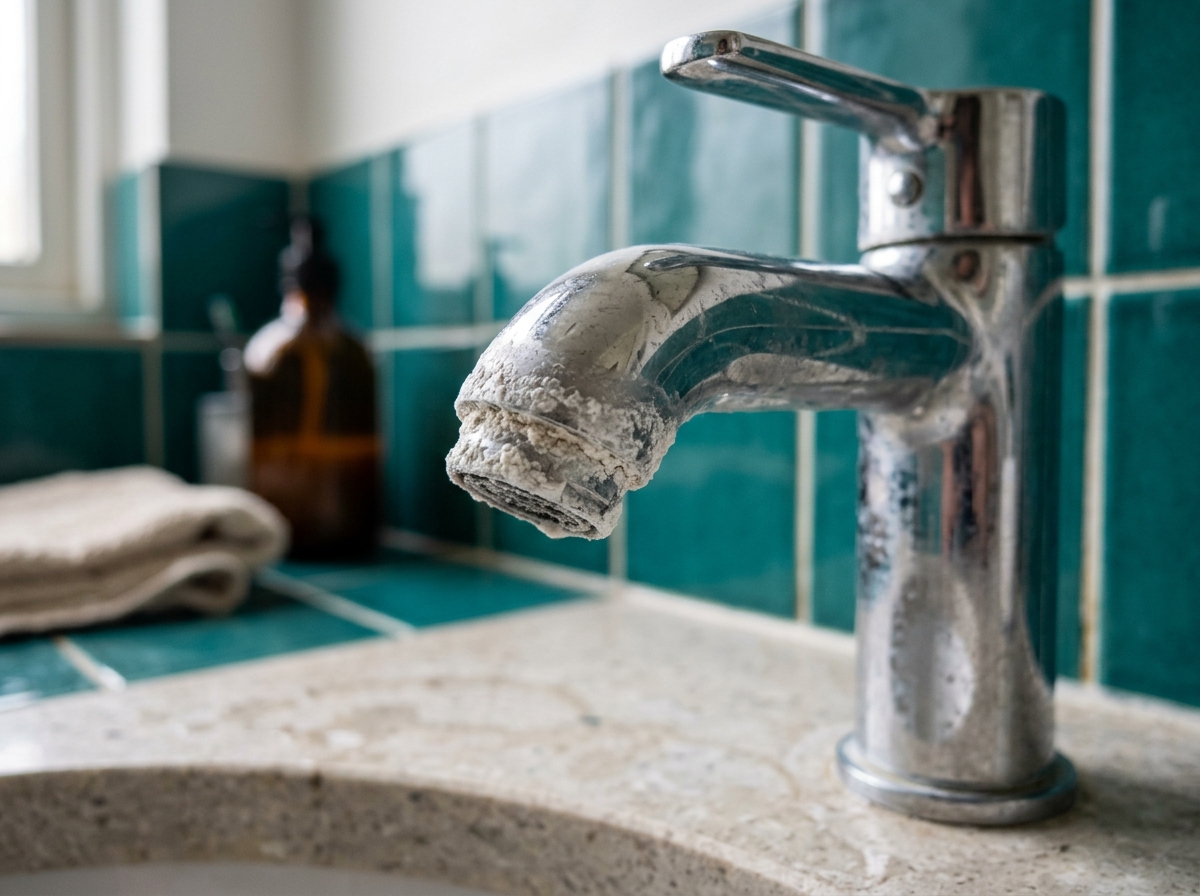
Start with the film. If your skin feels tight and squeaky right after a shower, that's not "clean" — that's mineral residue from calcium and magnesium sitting on your skin, pulling at your moisture barrier instead of protecting it. Hard water leaves deposits behind that strip natural oils faster than your skin can replace them. Over weeks, this shows up as flaking, redness, or that itchy tightness that no lotion seems to fix for long.
Chlorine and trace heavy metals add another layer of trouble. These additives are great for water treatment plants, terrible for sensitive skin. They're a documented trigger for dryness, eczema flare-ups, and stubborn dandruff. Understanding the full tap water effects on hair and skin makes it easier to connect symptoms you've been treating separately — flaky scalp, cracked knuckles, a rash that won't quit — to one shared cause.
Hair tells its own story, especially if it's curly or color-treated. Open cuticles grab onto minerals more readily, so buildup happens faster and color fades quicker than it should. Dullness, frizz, and that "why won't my conditioner work anymore" feeling are classic hard-water calling cards. Curls lose definition. Dyed strands look brassy within weeks instead of months.
Kids' skin reacts faster and harder than adults' skin does — it's thinner, and its barrier isn't fully developed yet. That's exactly why filtered water shows up so often in pediatric-derm recommendations for eczema-prone children. A flare-up after bath time isn't always about soap or detergent. Sometimes it's simply what's coming out of the tap. Comparing options through something like the Best Under sink and countertop filtration rankings can give you a quick sense of what's popular for households managing exactly this kind of reactive skin.
What to check before buying an under sink water filter system
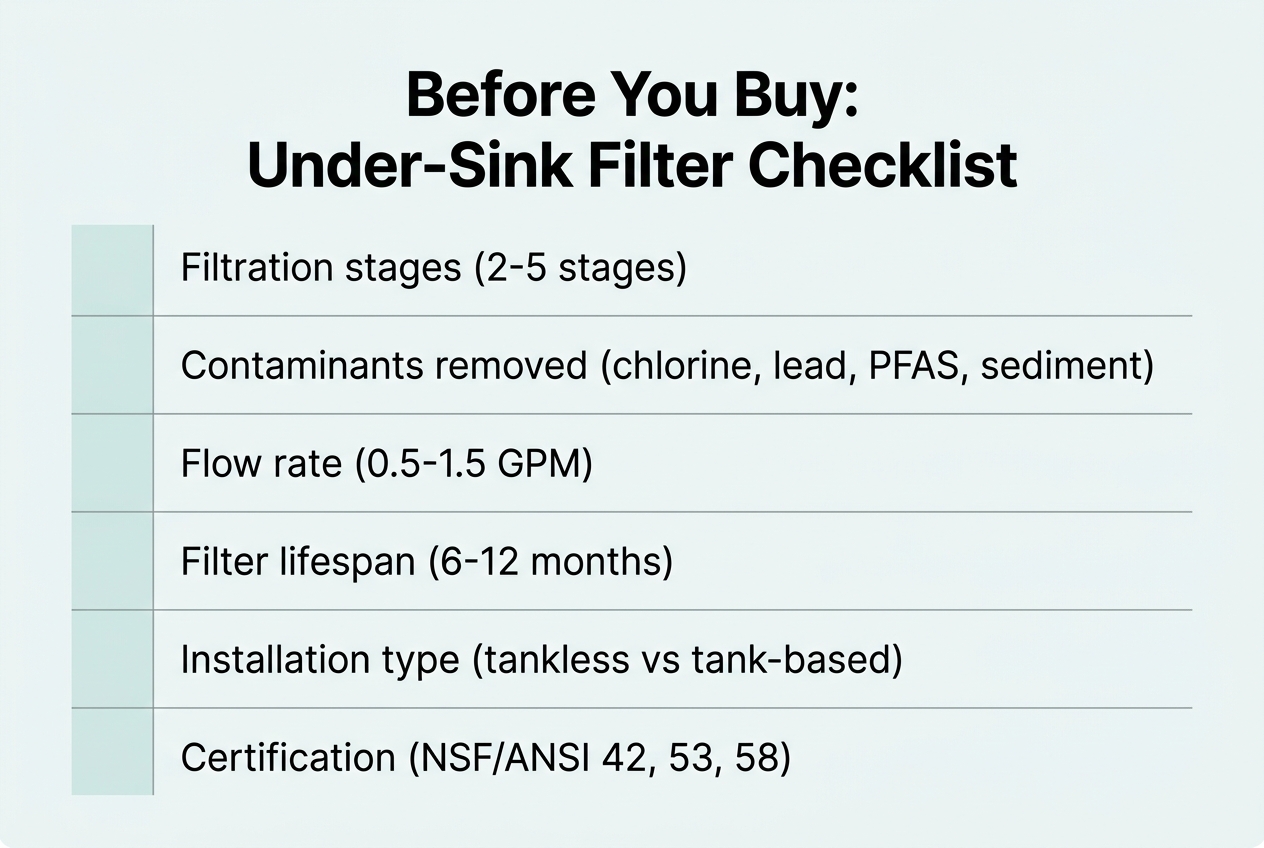
Not all systems fight the same battles. Some are built to strip out rust and grit. Others go after chlorine, lead, or the volatile organic compounds that sneak in from old pipes and runoff. Before you buy anything, figure out what's actually in your water — a basic home test kit or your city's water quality report will tell you. Skipping this step means you might pay for heavy metal removal you don't need, while missing the chlorine filtration your skin actually wants.
Once you know what you're filtering, work through the practical stuff. Flow rate matters more than people expect — a slow filter turns dishwashing into a chore. Certifications matter too, but only if you know what they mean.
- Check whether the system targets sediment, chlorine, heavy metals, and VOCs separately, since a single carbon block rarely handles all four well.
- Ask about flow rate in gallons per minute; anything under 0.5 GPM will slow your kitchen faucet noticeably during everyday use.
- Look for NSF/ANSI 42 (taste and odor), 53 (health contaminants like lead), and 58 (reverse osmosis performance) as proof the claims are tested, not just marketed.
- Decide between a separate dedicated faucet, which keeps filtered and unfiltered water apart, or a direct-connect design that runs through your existing faucet with no extra hole drilled.
- Estimate filter lifespan honestly — most cartridges last three to six months, so a $20 filter changed quarterly costs roughly $80 a year, not the one-time price on the box.
Comparing options side by side helps, too. Browsing an under sink water filters & filtration systems lineup gives you a sense of typical price and stage counts before you commit. If skin is your real concern rather than just taste, it's worth reading a dedicated under sink water filter system skin guide to see which stages actually matter for dryness and irritation. A system with five filtration stages sounds impressive. It's meaningless if none of them target what's drying out your skin.
7 top under sink water filter system picks compared
Not every under-sink system is built the same, even when the marketing photos look identical. Some prioritize flow rate and clog resistance for busy households, others chase the lowest price while keeping the same third-party certifications, and a few are just budget clones running the same cartridge tech under a different label. The table below breaks down seven common categories so you can match the system to your kitchen setup and skin goals, not just your budget.
| System type | Install difficulty | Filter life | Certifications | Typical price range |
|---|---|---|---|---|
| High-flow multi-stage (clog-resistant) | Moderate — needs cold line tap | 6–12 months | NSF/ANSI 42 & 53 | $250–$450 |
| Lower-flow budget system | Easy — smaller housing | 3–6 months | NSF/ANSI 42 | $80–$150 |
| Rebranded budget (shared cartridge tech) | Easy | 3–6 months | Varies, often unverified | $60–$120 |
| Direct-connect (no second faucet hole) | Very easy — attaches to existing line | 2–4 months | NSF/ANSI 42 | $100–$200 |
| Vitamin-infused cartridge system | Moderate | 3–6 months | NSF/ANSI 42, skin-focused testing | $150–$300 |
The high-flow multi-stage picks are worth the extra install step if your household runs the tap constantly. They resist sediment clogging far longer than single-stage cartridges. Budget systems certified to the same NSF/ANSI standard aren't necessarily worse, just simpler. Rebranded units, though, deserve a skeptical eye. Same tech, new sticker, higher markup sometimes. Direct-connect models solve a real problem for older sinks without a spare hole drilled into the countertop, though flow rate takes a hit. For skin-focused shoppers, it's worth knowing that some cartridges add antioxidants during filtration, and learning about vitamin C shower filter benefits helps explain why that extra step matters beyond basic chlorine removal. Price per system tells only part of the story; filter life and certification actually determine your long-term cost and water quality.
Why some systems target skin and hair, not just taste
Filtered water for drinking vs. filtered water for bathing
A standard filter is built to fix taste and odor. It pulls out chlorine's smell, softens that flat, plasticky flavor, and calls it done. That's fine if all you care about is your morning glass of water. But it does almost nothing for the water hitting your face in the shower twenty minutes later, which is a different problem entirely.
Skin-focused systems go further, layering in vitamin C or vitamin E infused cartridges that neutralize chlorine's drying effect on contact. That's the real distinction. Chlorine strips natural oils from skin and hair; a plain carbon filter removes the smell of chlorine but not always its irritating residue. A dedicated provider building for skin outcomes designs around that gap specifically, not around flavor.
Softer, filtered water also cuts down on the mineral residue that clogs pores and aggravates eczema-prone skin, since hard water leaves behind calcium and magnesium deposits that sit on the skin's surface after every wash. If you're shopping around, learning what makes a good under sink water filter for your kitchen water is a smart first step before deciding on bathroom fixtures. Pairing that under-sink unit with a filtered showerhead covers drinking and bathing water together, which is where fuller, more noticeable results tend to show up. Estheticians increasingly recommend treating this as a whole-routine fix, not a single gadget swap, and many local businesses now say the same thing during consultations.
Installing an under sink filter without calling a plumber
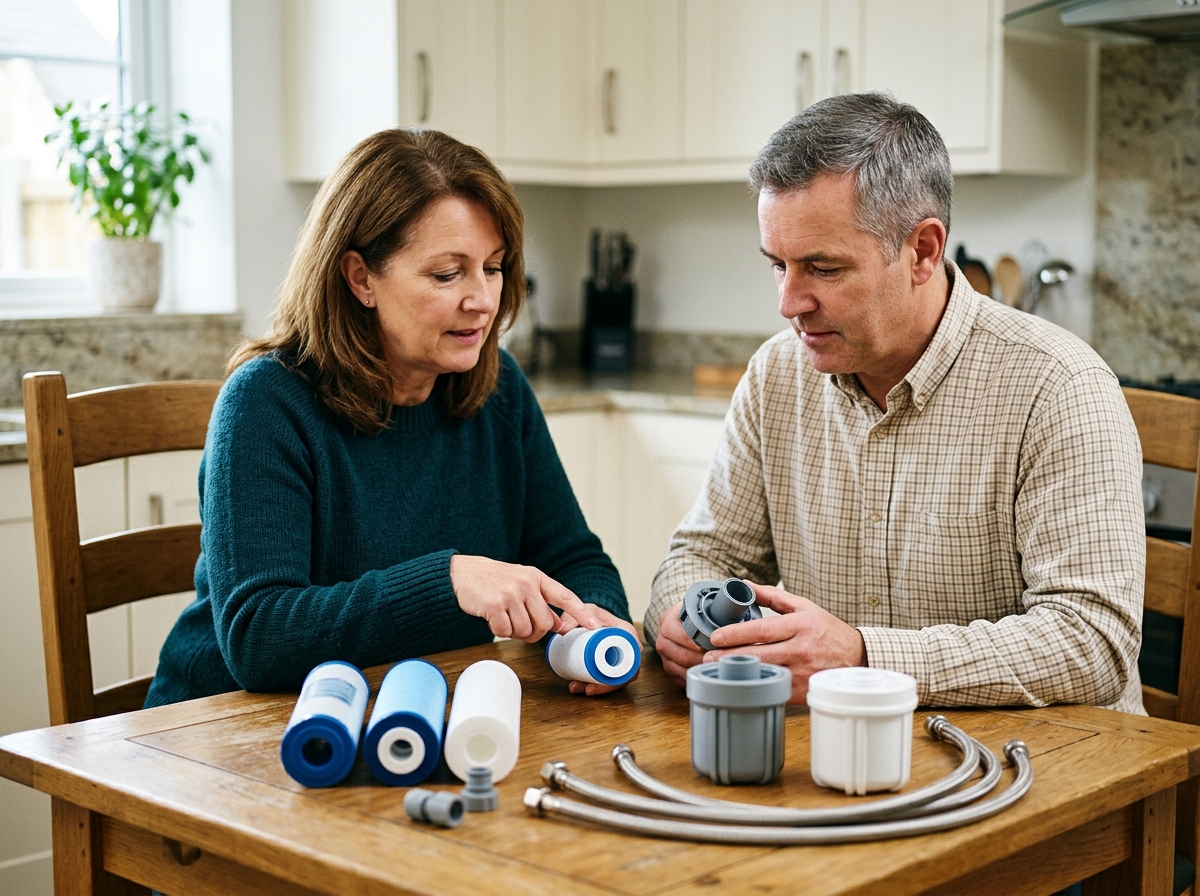
Most cabinets under a kitchen sink have enough room to fit a filter housing, and the install follows the same basic sequence no matter which unit you buy. You don't need a wrench collection or a background in plumbing. You need about half an hour and a little patience.
Here's the general order of operations, broken into steps most homeowners can knock out in one sitting:
| Step | What you do | Time estimate |
|---|---|---|
| 1 | Shut off the cold water supply valve under the sink | 1–2 minutes |
| 2 | Attach the diverter valve or T-fitting to the cold line | 5–8 minutes |
| 3 | Mount the filter housing and connect inlet/outlet tubing | 8–10 minutes |
| 4 | Route the dedicated faucet line through the sink deck or a direct-connect adapter | 5–7 minutes |
| 5 | Flush the new filter before first use | 5–10 minutes |
Step four trips people up the most, honestly. If your sink deck already has a spare hole from an old sprayer or soap dispenser, you're set — just run the line up and attach the faucet. No hole? A direct-connect adapter lets the filtered water share your existing faucet, skipping demolition entirely. Because plumbing hardware varies so much between sink models, learning about under sink filtration systems and their fitting types before you buy saves a return trip to the hardware store. Once everything's connected, flush the cartridge for several minutes. Skipping the flush step means carbon dust in your first few glasses. Not dangerous, just gross.
Renters and small kitchens: filter options that don't require permanent changes
If your lease says no drilling, you've got options. Direct-connect systems screw onto your existing faucet aerator instead of tapping a new hole in the countertop or sink. No plumber, no landlord phone call, no drama. Most take under ten minutes to attach, and you can swap back to the plain aerator in seconds if a guest complains about water pressure or you're just moving on. It's the closest thing to plug-and-play filtration gets in a rental kitchen.
Cabinet space is the other headache in small kitchens, especially older apartments with shallow under-sink cabinets crowded by garbage disposals and cleaning supplies. Compact single-stage or two-stage cartridges solve this — they're often no bigger than a water bottle and mount with adhesive brackets or a small bracket screw that leaves a pinhole, not a gouge. Two-stage setups usually pair a sediment prefilter with a carbon block, which is plenty for most municipal water without eating half your cabinet. If you're comparing footprints and flow rates before committing, it helps to look at under sink water filter systems we've tested to see how compact models actually perform under real use.
Subscription filter replacements matter more for renters than anyone else. You're not stockpiling cartridges in a closet you might not have next year, and you won't forget a swap schedule buried under moving boxes. Reversible installs, done right, leave zero trace — pull it off, screw the original aerator back on, done. Your deposit stays safe.
Maintaining your system and replacing filter cartridges
A cartridge isn't a forever part. Most last 3 to 6 months, though that window shrinks fast if your household runs hard water and heavy daily use through the kitchen tap. A single person with moderately hard water might stretch closer to six months, while a family of five with well water could be swapping cartridges every 10 to 12 weeks. There's no universal clock here, just usage and mineral load doing the math for you.
Signs it's time to swap the cartridge
Your system will tell you when it's tired, if you're paying attention. Skim this list every so often instead of waiting for a full breakdown:
- Water pressure at the tap noticeably slows down, even though nothing else in the plumbing has changed.
- The water starts tasting flat, metallic, or slightly off compared to what you're used to.
- You catch a faint chlorine or musty smell that wasn't there a month or two ago.
- Skin that's usually calm after washing starts feeling tight, itchy, or reactive again.
- It's simply been longer than the manufacturer's stated cartridge life, regardless of how the water seems.
Curious what other households actually experience with wear and timing? A long-running discussion among under-sink filter owners lays out real-world replacement habits worth comparing against your own.
Setting up flexible replacement reminders
Don't rely on memory. Subscription plans that ship cartridges on a schedule you control, and nudge you with order reminders, are the simplest way to avoid gaps in protection. Adjust frequency up or down as your water use changes, season to season. It's also smart to keep one spare cartridge in the cabinet, so a delayed shipment never leaves sensitive skin routines exposed to unfiltered water, even for a week.
Getting the most skin and hair benefit from filtered water
An under-sink unit alone won't fix everything. Your skin doesn't just touch tap water at the faucet — it sits under hard water for ten minutes every shower. That's why pairing a sink filter with a filtered showerhead matters so much for full-body protection. The sink handles what you drink, cook with, and splash on your face while washing it; the showerhead handles the mineral load hitting your scalp, back, and every inch of skin in between. One without the other leaves a gap.
For eczema-prone skin, especially a child's, filtered rinse water can make flare-ups noticeably calmer. Hard water strips natural oils and leaves mineral residue that irritates already-compromised skin, so rinsing with filtered water during a flare — not just showering, but hand washing and face rinsing too — reduces that extra aggravation. If you're weighing options beyond what's on this list, it's worth knowing what independent testers value most, and reading a roundup of the Best Under sink systems can help you compare filtration claims against real performance.
Curly and color-treated hair has its own complaints: dullness, buildup, color fading faster than it should. Softer rinse water helps products rinse clean instead of layering on top of mineral deposits, which is half the battle with buildup. Not sure where to start? Ask an esthetician about a routine built around your specific skin or scalp concerns — that's literally what the consultation is for.
The most useful next step is simply to figure out what your water is actually doing to your skin, hair, and the dishes in your sink — a hardness test from a lab or kit will tell you that, and it costs very little to find out. From there, the choice gets easier: a whole-home softener handled by a plumber if every tap and appliance needs help, or a point-of-use approach like the under-sink filters Helios makes, which install without touching your main line and focus on the water you actually touch. Either way, knowing what's in your water first means you won't end up paying for more system than your home needs.
Share:
Sulfate-Free Shampoo for Curly Hair: Does It Really Beat Hard Water Dullness?
Clarifying Shampoo for Oily Hair: Is Your Water the Real Culprit?