
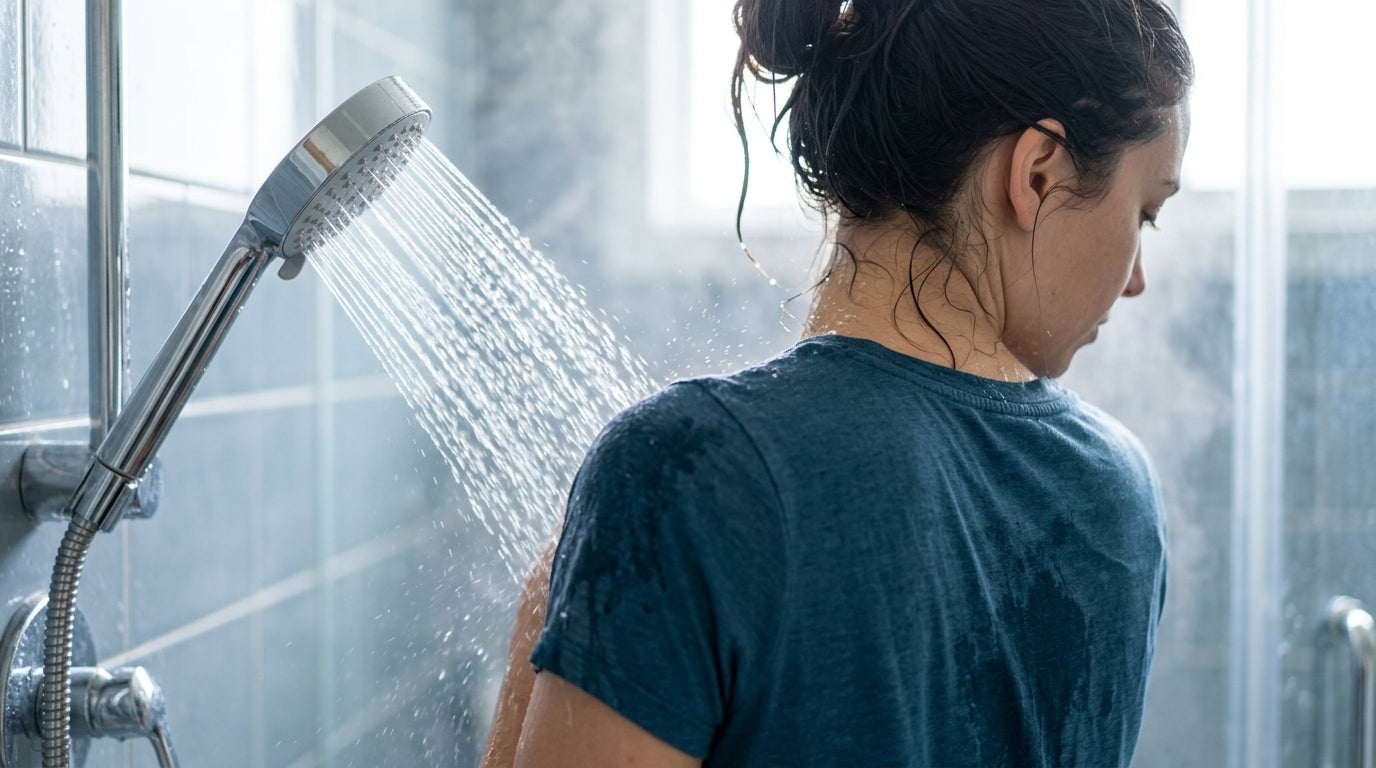
Lead doesn't announce itself. It hides in old pipes and fixtures, quietly undoing your skincare routine while you chase the wrong culprits—harsh cleansers, new serums, weather changes. If you're researching water filters that filter lead for your shower or sink, you're already ahead of most people dealing with unexplained breakouts, dryness, or flare-ups. This guide breaks down exactly what to look for in 2026, so you can protect your skin, your baby, and your routine with confidence.
Why Lead in Tap Water Is a Serious Concern
How lead gets into home plumbing
Here's what surprises most people: lead almost never comes from the reservoir or treatment plant. It gets into your water on the way to your faucet. Older homes, especially anything built before 1986, may still have lead pipes, brass fixtures, or lead solder joining copper pipes together. Over decades, that solder corrodes. Water sitting still overnight, especially water that's slightly acidic or low in minerals, pulls lead right off those surfaces.
Municipal water can leave the plant perfectly clean and still pick up lead a few feet from where you're standing. That's the frustrating truth about this contaminant. It's a plumbing problem wearing a water-quality disguise. That's exactly why no level of lead exposure is considered safe by major health authorities, including the EPA and the CDC. There's no known threshold where it stops mattering.
Want to verify what your fixtures are actually doing to your water? Review the Certified Product Listings for Lead Reduction before assuming any filter or faucet is handling the job. Corrosion risk also climbs with hot water. So showers and older kitchen taps deserve just as much scrutiny as your drinking glass.
Why shower exposure matters, not just drinking water
Most lead conversations stop at drinking water. That's a mistake. Showers use far more water per session, at higher temperatures, with steam and heat opening pores and softening skin. Hot water also corrodes plumbing faster, meaning shower water can carry higher lead concentrations than the cold tap in your kitchen. Your skin isn't a passive bystander here. It's an absorption surface, and a warm, humid one at that.
Babies, young kids, and anyone with compromised skin barriers face outsized risk. Thinner skin, more surface area relative to body weight, and developing organ systems all mean a smaller dose does more damage. Eczema sufferers have an already-broken barrier, so irritants pass through more easily than they would on intact skin. None of this is proportional. It's front-loaded onto the most vulnerable people in your household.
Long-term, low-level exposure has been linked to skin irritation, dryness, and broader systemic effects on the nervous system and kidneys over years of accumulation. Understanding tap water effects on hair and skin gives useful context for why dermatologists increasingly ask patients about their water source, not just their skincare shelf. Your cleanser can only do so much if the water rinsing it off is working against you.
Water Filters That Filter Lead: What Actually Works
Filtration technologies that remove lead
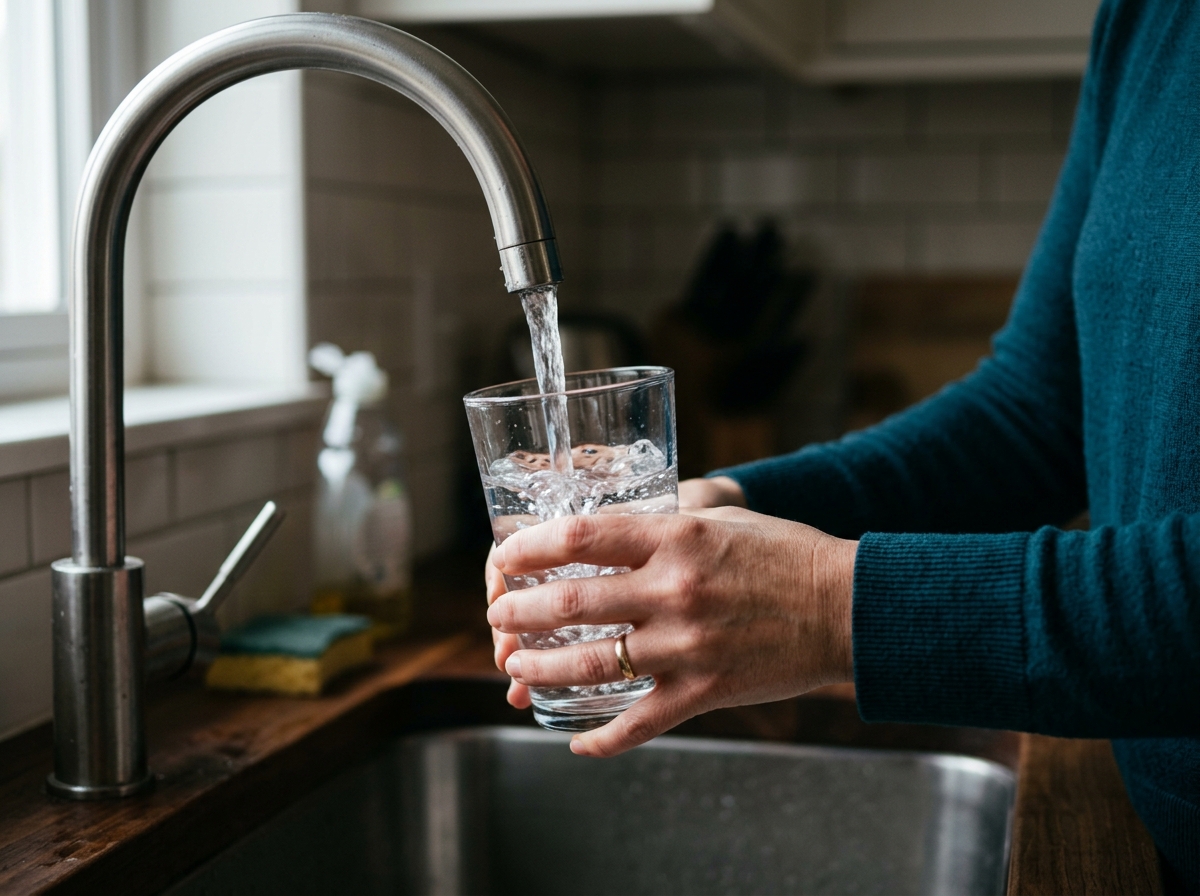
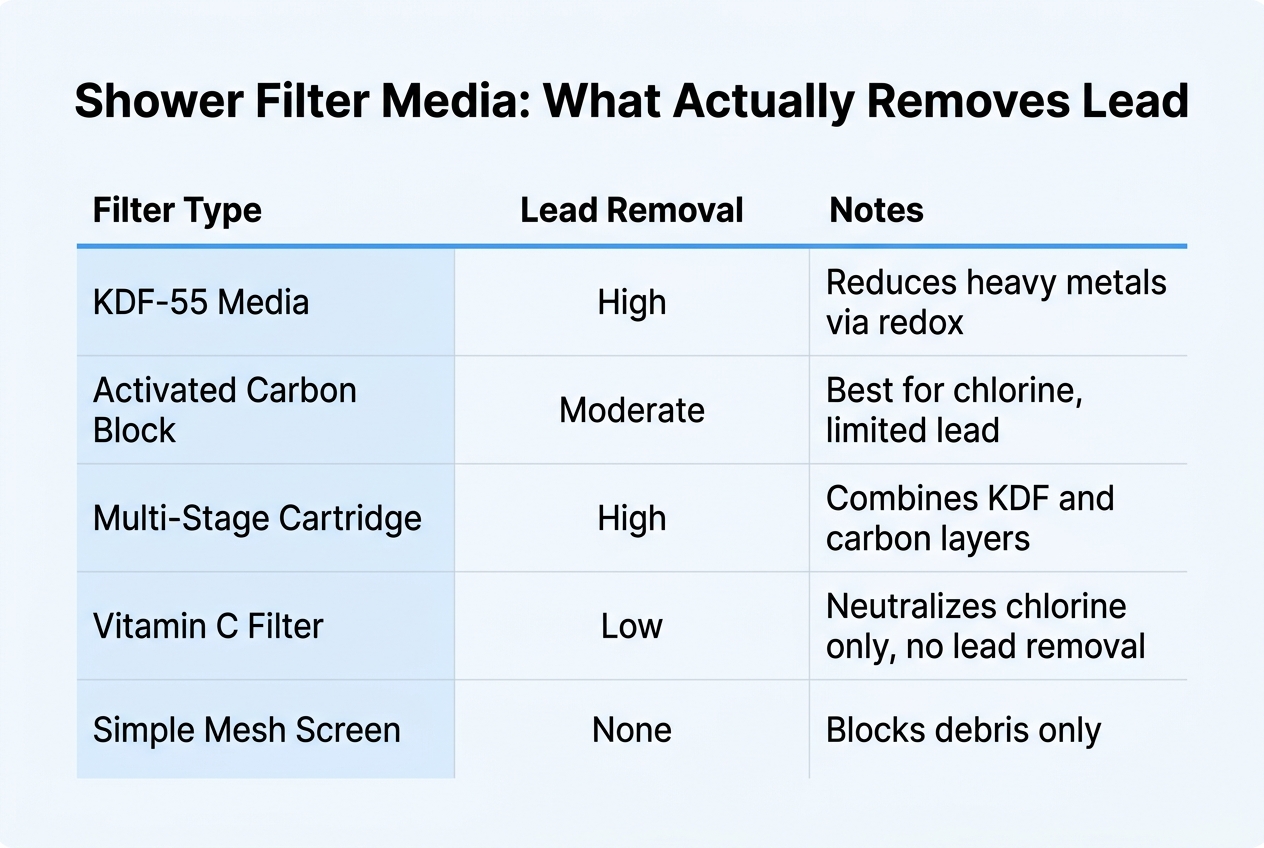
Lead reduction isn't magic. It comes down to a handful of proven methods. Activated carbon block filters, when formulated and certified for heavy metals, trap lead particles as water passes through a dense, fine-pored matrix. KDF media uses a copper-zinc alloy to trigger a chemical reaction that pulls lead and other metals out of solution. Reverse osmosis pushes water through a membrane so tight that lead, along with most everything else, simply can't get through. All three work. None of them work by accident.
Here's the catch: a filter has to be specifically engineered and tested for lead. A basic pitcher filter loaded with generic carbon might make water taste better while doing almost nothing for heavy metals. That's not a flaw exactly — it's just not what it was built for. Want the mechanics behind why carbon structure matters so much? It helps to review how filtration science actually separates contaminants at the media level.
Whole-house heavy metal systems take this further upstream, treating water before it ever reaches a tap or showerhead. A setup like the Heavy Metal Whole House 1-Stage Filtration unit illustrates the point well — it's built around media specifically chosen for metals, not just chlorine and odor. That distinction matters more than most shoppers realize.
Shower filters vs. drinking water filters: different jobs
Drinking water filters — pitchers, faucet-mounted units, under-sink RO systems — are built to handle what you swallow. That's where certified lead reduction really lives, because ingestion is the higher-risk exposure route regulators focus on. These systems use dense carbon blocks, ion-exchange resins, or membranes engineered and tested against NSF/ANSI 53 for health-related contaminants like lead.
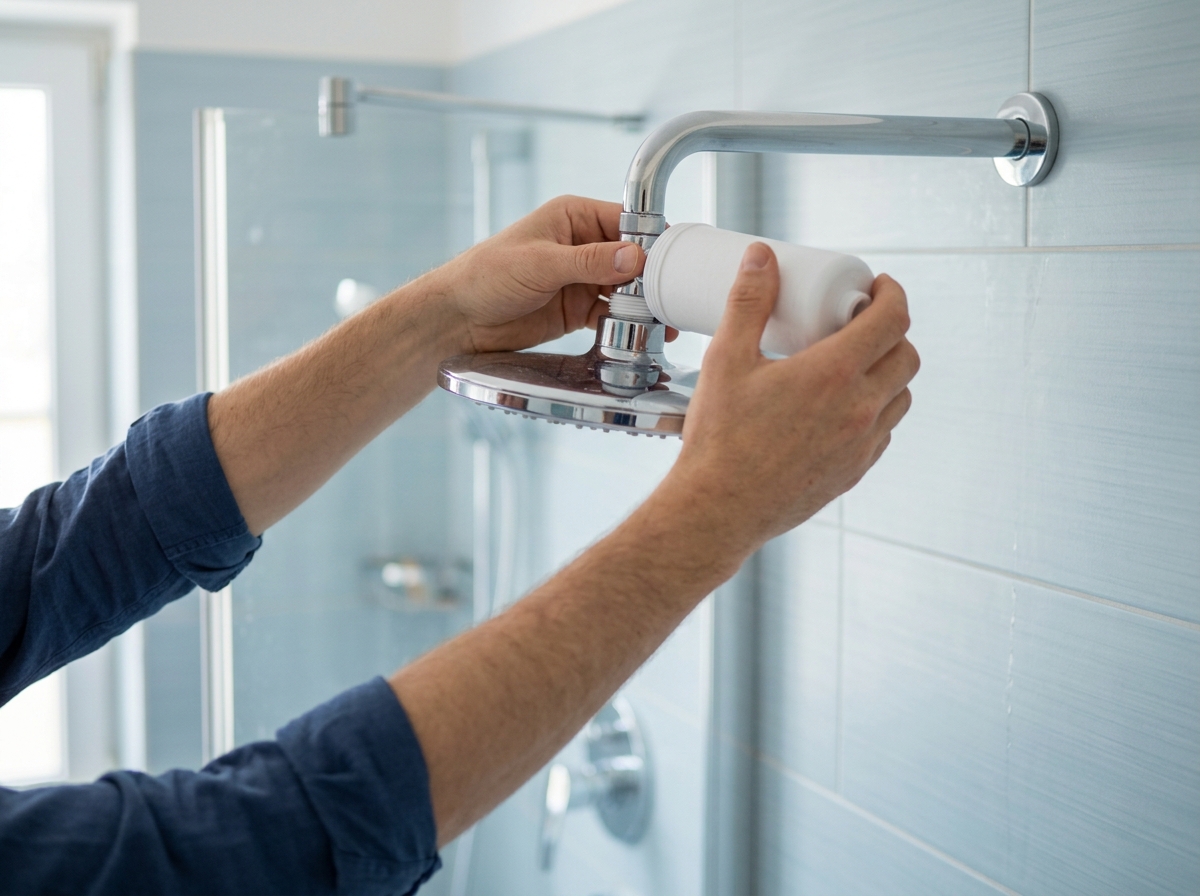
Shower and sink filters aimed at skin protection are solving a different problem entirely. They're generally not built, or certified, for lead removal. Their job is chlorine, chloramine, PFAS, and microplastics — the stuff that dries out skin, dulls hair, and irritates sensitive scalps over repeated exposure. Don't expect a skin-focused shower filter to double as a lead solution. It's simply not designed for that job, and pretending otherwise helps no one.
The smart move is pairing the two. A certified drinking-water filter handles what you drink and cook with; a dedicated shower filter handles what your skin and hair sit in for ten minutes a day. Covering both ingestion and topical exposure means you're not leaving a gap on either side. Think of it as two specialists doing two separate jobs — not one product trying, and failing, to do everything at once.
NSF Certification Standards Explained
NSF International is the independent body that actually tests filtration claims instead of just taking a manufacturer's word for it. It sets the protocols, runs the lab work, and decides whether a filter earns a certification mark. That mark matters because independent verification is the only thing separating a real performance claim from a nice-sounding label on a box.
NSF 53
NSF/ANSI 53 covers health-related contaminants, and this is the one to look for if lead is your concern. It also addresses cysts, VOCs, and certain other pollutants tied to direct health effects. If a filter doesn't carry this certification, be skeptical of any lead-reduction claim on the packaging.
NSF 58
NSF/ANSI 58 applies specifically to reverse osmosis systems, usually under-sink units rather than shower filters. It's a different testing framework built around RO membrane performance, not carbon-block or KDF filtration. Don't assume a shower filter needs this standard — it doesn't apply to that category.
NSF 401
NSF/ANSI 401 is the newer standard, covering what NSF calls "emerging compounds" — things like PFAS, pharmaceuticals, and pesticide residue that older standards never anticipated. Reading up on filtered tap water benefits understanding health and environmental advantages can help you see why this standard now matters as much as lead reduction for many households.
| Standard | Focus Area | Common System Type | Relevant to Lead? |
|---|---|---|---|
| NSF/ANSI 53 | Health-related contaminants | Carbon block, faucet, shower filters | Yes |
| NSF/ANSI 58 | Reverse osmosis performance | Under-sink RO systems | Indirectly |
| NSF/ANSI 401 | Emerging contaminants (PFAS, pharmaceuticals) | Advanced carbon and multi-stage filters | No |
| NSF/ANSI 42 | Aesthetic effects (taste, odor, chlorine) | Basic pitcher and faucet filters | No |
Here's the blunt part: a filter with zero certifications isn't automatically useless, but you're trusting marketing copy over lab data. When you're comparing options, whether that's a countertop pitcher or something you found searching Lead Water Filters, check the fine print for which standard, if any, backs the claim. Third-party testing through labs like WQA or IAPMO carries similar weight to NSF certification, so don't dismiss a product just because NSF isn't the name on the report.
Comparing Filter Types for Lead and Skin-Safe Water
Not all filters are built for the same job, and lead removal is a different task than skin protection. Some systems handle both. Most don't. Here's a quick side-by-side of what each type actually does well, and where it falls short.
| Filter Type | Lead Removal | Skin/Hair Benefit | Cost & Effort |
|---|---|---|---|
| Pitcher filters | Limited, varies by cartridge | Minimal, not made for shower use | Low cost, slow pour rate |
| Faucet-mount filters | Good for drinking/cooking water | Not applicable to shower water | Moderate, easy install |
| Reverse osmosis | Most thorough available | None built in, drinking water only | High cost, wastes water, needs plumbing |
| Whole-home systems | Strong, whole-house coverage | Indirect, treats all water equally | Highest cost, professional install |
| Shower and sink filters | Not certified for lead | Reduces chlorine, chloramine, PFAS, microplastics | Low cost, simple swap |
Notice the gap. Reverse osmosis and whole-home systems are your best bets for actual lead reduction, but they're expensive and, in the case of RO, wasteful. A dedicated provider of shower filtration will tell you upfront: their products aren't certified for lead. What they are built for is stripping out the chlorine and chloramine that dry your skin and dull your hair after every rinse. If lead is a known issue in your home, learning about the best water filters for lead removal of 2026 will help you pick a certified option for your tap or main line. The smartest setup isn't either-or. It's layered: a certified lead filter at the point of drinking water, plus a dermatologist-tested shower filter for the skin and hair side of things. Belt and suspenders, basically, but for your plumbing.
How to Read Your Water Test Results
Lead is measured in parts per billion, or ppb. That number tells you how many billionths of your water sample are lead. The EPA's action level sits at 15 ppb for public systems, but here's the thing: there's no truly "safe" amount of lead, especially for kids and infants. Anything above zero deserves attention. If your report shows single digits, don't relax completely — trace amounts still add up with daily exposure through showers and drinking water.
Municipal water reports (often called Consumer Confidence Reports) tell you about water leaving the treatment plant, not what comes out of your tap. Lead usually gets picked up later, from old pipes or fixtures between the street and your sink. That's why an in-home testing kit matters so much more for personal risk assessment. Mail-in lab kits tend to be far more accurate than the strip tests sold at hardware stores, which can miss lower concentrations entirely.
Certain homes carry higher risk by default. Anything built before 1986 may still have lead solder or lead pipes somewhere in the system. Corroded, discolored, or pitted pipes are a visible red flag worth photographing for your records. Well water owners should test annually, since there's no municipal treatment catching problems before water reaches your tap.
Common myths: does boiling remove lead?
No — and this myth needs to die. Boiling kills bacteria, but lead is a metal. It doesn't evaporate. As water boils off as steam, the lead left behind actually becomes more concentrated, not less. Someone trying to "purify" contaminated water by boiling it could end up drinking a stronger dose than they started with. Simple but true: heat isn't the fix here.
The same logic applies to home filtration pitchers that only target taste and odor, like basic charcoal versions. They're built for chlorine, not metals, so don't assume filtration equals lead removal across the board. Before buying anything, learning about a certified water filters for lead can save you from wasting money on a product that looks reassuring but does nothing for metals.
When your test results come back with elevated lead or other heavy metals, treat it as a whole-house issue, not just a shower problem. Prioritize a certified point-of-use or point-of-entry filter rated for lead reduction first. A shower filter can meaningfully improve chlorine exposure, skin dryness, and hair condition — but it's not designed to be your primary defense against metals in drinking water. Handle the bigger risk first, then layer in skin-focused filtration second.
Protecting Skin and Hair Beyond Lead: Chlorine, PFAS, and Microplastics
Why standard shower filters miss certain contaminants
Lead gets most of the attention, but it's far from the only thing worth worrying about. Chlorine and chloramine, added by municipal systems to kill bacteria, also strip the natural oils that keep skin soft and hair shiny. That's why some routines feel like they stop working even when nothing about the products has changed. The water itself has quietly become the problem.
Basic carbon filters were designed decades ago, mostly for taste and odor. They were never built to catch what's showing up in tap water now. PFAS, sometimes called "forever chemicals," and microplastics are increasingly detected in municipal supplies across the country, and most entry-level filters simply weren't engineered with these newer contaminants in mind. A filter that only targets sediment or basic chlorine can leave you exposed to a much wider range of irritants.
- Chlorine and chloramine disrupt the skin's moisture barrier, which can leave skin feeling tight, flaky, or more reactive to products than usual.
- PFAS and microplastic particles are turning up in water systems nationwide, often passing straight through low-grade filter cartridges.
- Standard filters frequently miss chloramine and certain bacteria, which is why antibacterial-grade micro filtration exists as a more targeted layer of defense.
- Color-treated hair fades noticeably faster when washed in unfiltered water, since chlorine breaks down dye molecules and dulls tone and shine over time.
- Consistent filtered showering has been associated with less scalp redness and irritation, particularly for people already prone to sensitivity.
- Vitamin C-infused filtration works by neutralizing chlorine at the point of contact, converting it before it ever touches skin or scalp.
None of this means you need to panic about your pipes. It does mean the filter you choose matters more than the marketing suggests. For a sense of how seriously contamination is treated at the regulatory level, it helps to see how 3M™ Lead Removal Water Filtration Systems are engineered for whole-home contaminant reduction, not just single-issue fixes. The lesson translates directly to showers: broader protection beats a one-trick filter every time.
Choosing and Maintaining the Right Filter System
Picking a filter isn't about finding the flashiest label. Match the certification to what your actual water test shows, not to whatever a package promises in bold letters. If your test flags lead, look for lead-specific reduction claims backed by real data. If skin issues are your concern, check whether the "skin-safe" language behind a product is tied to dermatologist review or clinical testing, not just a marketing team's opinion. Anyone can print "gentle on skin" on a box. Fewer brands can show a lab report proving it.
Once you've got the right filter, timing matters more than most people think. Cartridges lose effectiveness gradually, and there's rarely a smell, a taste, or a visible sign warning you when performance has dropped. By the time water looks or smells off, you've likely been showering or drinking through a filter that stopped doing its job weeks earlier.
Replacement schedules by filter type
Schedules vary by fixture and usage, so it helps to build a simple routine rather than guessing:
- Sink filters generally need replacing every 2 to 3 months, sooner in households running the tap constantly for cooking or drinking water.
- Shower filters typically last 3 to 4 months, though heavy household usage or very hard water can shorten that window.
- Multi-person households should replace filters on the earlier end of the range, since higher water volume wears down media faster.
- Subscription or auto-replacement programs remove the guesswork entirely and prevent the coverage gaps that happen when a cartridge quietly expires unnoticed.
- Pairing a dedicated lead-reduction filter at the kitchen sink with a skin-focused shower filter gives you fuller coverage, since drinking water and shower water present different exposure risks; reading up on living with lead in your water is a useful starting point for understanding why that split matters.
Signs it's time to swap your cartridge
Don't wait for obvious trouble. Watch for slower water flow, a return of dryness or tightness after showers, or a subscription reminder you've been ignoring. Consistent replacement, on a set calendar, is what actually keeps a filter working — not how the water looks on any given day.
If lead and other contaminants in your tap water are a concern, it's worth choosing a filter that's been rigorously vetted rather than taking a brand's word for it. Helios Filter stands out here, with products lab tested by Dermacosmetics Skin Science Lab to reduce over 75+ contaminants and some filters meeting NSF/ANSI 53 and 401 standards, so you know exactly what's being removed from your water. Visit Helios Filter today to explore their shower and sink filtration options and find the right fit for your home.
Share:
Under Sink Water Filter Systems: A Complete Buyer's Guide
How to Choose the Right Water Filter for Your Tap