

You've tried every hair growth oil on the shelf, massaged it in faithfully, and waited. Still, the shedding continues and growth feels slow at best. Here's the twist most reviews skip: the oil might be fine, but hard water and chlorine hitting your scalp every shower could be working against it before it even gets a chance. We'll walk through nine formulas worth your money, and the overlooked water issue that may be sabotaging results no bottle can fix alone.
9 Best Hair Growth Oil Picks for 2026
Before you buy anything, learn to read the back of the bottle like a label detective. Most "growth oils" are mostly filler oil with a splash of the active ingredient near the bottom of the list. That's not useless. But it won't do much either.
What to look for on an ingredient label
A good hair growth oil earns its claims through a handful of proven actives, not a long list of vague botanicals. Here's what actually matters, and why each one shows up on the better formulas this year:
- Rosemary oil stimulates blood flow at the follicle, which is likely why it's become the most studied natural alternative to minoxidil in small trials.
- Castor oil coats each strand in a thick, fatty layer that adds density and helps reduce breakage along the shaft.
- Argan oil hydrates the scalp and seals in shine without the heaviness of denser oils, making it a favorite for color-treated hair.
- Coconut oil penetrates the hair shaft itself rather than just sitting on top, which is why it's often used as a carrier base for stronger actives.
- Jojoba oil mimics natural sebum closely enough that oily or combination scalps tolerate it without extra greasiness.
- Peppermint oil brings a cooling tingle that signals increased circulation, though it's best diluted since it can irritate sensitive skin.
Beyond those six staples, three more ingredients round out a strong 2026 lineup. Black seed oil has a growing reputation for calming an inflamed, flaky scalp, which matters because inflammation is quietly behind a lot of stalled growth. Biotin-infused blended oils work differently, since they're carrier oils fortified to deliver nutrients deeper rather than relying on one active alone. And pumpkin seed oil, backed by at least one small clinical study on thinning hair, supports the follicle from the inside out. One honest caveat: no oil works miracles if what's landing on your scalp daily is hard, mineral-heavy water. That's a separate problem worth solving on its own.
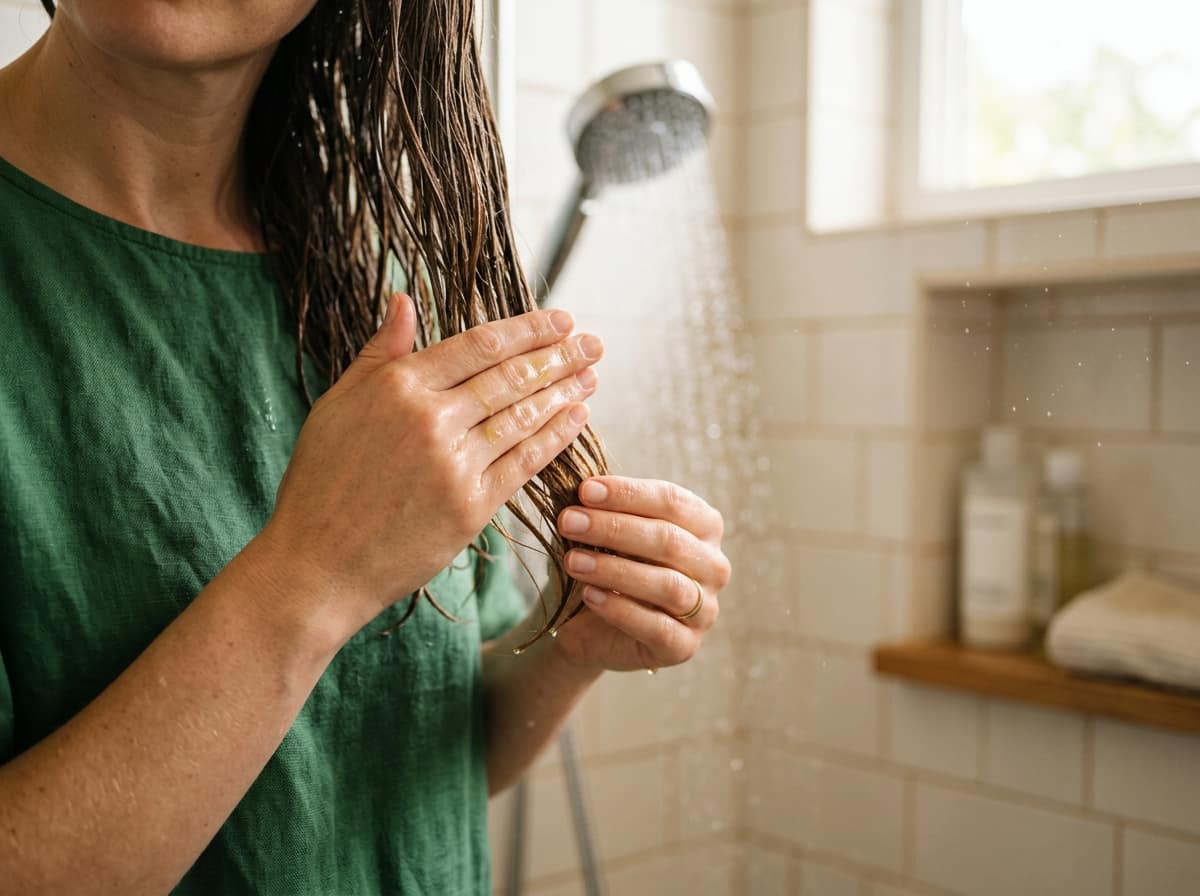
Why Hair Growth Oils Work (and Why Results Vary So Much)
How daily water quality interacts with scalp care.
Hair growth oils earn their reputation for a reason. Castor oil, rosemary, peppermint — most work by conditioning the scalp, sealing in moisture, and in some cases supporting the circulation that follicles need to stay active. That part's real. Massage one in, leave it on, and you're giving the scalp a genuinely different environment to work with for a few hours a night.
Here's the catch nobody puts on the bottle: the oil never touches the water you rinse with every single day. You can apply the best formula on the market, but your scalp still gets washed, every morning or every other day, in whatever comes out of the showerhead. That water quality doesn't pause while the oil does its job. It's a constant variable sitting underneath an inconsistent one.
That's why two people can use the identical oil, same brand, same routine, and get different results. One has naturally soft water. The other is rinsing minerals and chlorine over the scalp nightly, undoing part of what the oil just delivered. It's not a flaw in the product. It's a gap in the routine most people never think to check.
Hard water mineral buildup can coat hair and block what oils try to deliver
Hard water carries dissolved calcium and magnesium, and over time those minerals deposit a thin film on the hair shaft and scalp. It's the same reason soap won't lather well in a hard-water shower. That film doesn't just sit there quietly; it builds a barrier between the scalp and whatever you're trying to apply on top of it.
Oils are designed to penetrate and seal in moisture, but a mineral coating gets in the way first. Some of the product ends up sitting on the buildup rather than reaching the follicle at all. Curly and color-treated hair tend to show this fastest, with a dullness that no amount of extra oil seems to fix. Many estheticians now suggest clients look into does hard water cause dry skin before assuming a product is underperforming. If the input water never changes, the oil is working uphill every single time.
Chlorine exposure in showers can dry the scalp oil is meant to soothe
Chlorine is added to municipal water to kill bacteria, and it does that job well. It's less kind to the scalp. Daily exposure can strip natural oils, leave the skin tight and flaky, and trigger the exact dryness and dandruff that hair oils are supposed to calm down.
So the oil and the chlorine end up working against each other, in a loop that repeats every shower. You soothe the scalp at night, then dry it out again the next morning. Some of this overlaps with other dermatology questions people research anyway, like whether waxing affects regrowth and whether topical routines can even outpace a daily irritant. Short version: no oil fully cancels out what the water's doing underneath it.
Comparing the Top Oils Side by Side
Not every oil belongs on every scalp. Some are heavy and built for dry, flaky scalps that need serious moisture. Others sit light enough for fine hair that goes greasy by noon. The table below breaks down the basics so you can match the oil to your actual scalp, not just whatever's trending.
| Oil Type | Best Use Case | Scalp Type | Scent Strength | Absorption Speed |
|---|---|---|---|---|
| Rosemary oil | Thinning edges, general shedding | Normal to oily | Strong, herbal | Fast |
| Castor oil | Dense, slow-growing areas | Dry scalp | Mild, earthy | Slow |
| Argan oil | Dull, color-treated lengths | Normal to dry | Faint, nutty | Medium |
| Jojoba oil | Daily scalp balance | Oily or sensitive | Nearly scentless | Fast |
| Peppermint oil | Itchy, flaky scalp relief | Oily to combination | Sharp, cooling | Fast |
A few patterns jump out here. Thicker oils like castor take longer to absorb, so they're better for overnight treatments than a quick morning routine. Lighter oils, jojoba especially, mimic your scalp's natural sebum and won't weigh down fine or color-treated hair. Scent strength matters more than people admit — if you're sensitive to smell, rosemary can be a lot. Scalp type should drive your choice, not the oil's reputation online. One more thing worth knowing: mineral buildup from hard water can sit on top of these oils and block them before they ever reach your follicles, which is part of why some people wonder can hard water cause dandruff even after switching products. The oil isn't always the problem. Sometimes it's what's already coating your scalp before the oil even goes on.
How to Apply Hair Growth Oil for Best Results
Good oil, bad technique. That's how most people waste a $30 bottle. The order you apply it, how long you leave it, and how you rinse it out matter just as much as the oil itself.
Step-by-step application routine
Think of this less like a product and more like a mini scalp treatment. The scalp is where growth actually happens, not the ends of your hair, so that's where the oil needs to land.
| Step | What to do | Why it matters |
|---|---|---|
| 1. Section hair | Divide into 4–6 sections with clips | Lets you reach scalp skin, not just surface strands |
| 2. Massage in | Use fingertips, 3–5 minutes, small circles | Boosts circulation and works oil into follicles |
| 3. Let it sit | Minimum 30 minutes, or overnight with a cap | Deeper penetration, better absorption |
| 4. Rinse fully | Shampoo twice, warm water, rinse until squeaky | Prevents oil residue from mixing with mineral buildup |
| 5. Repeat | 2–3 times weekly, same days if possible | Consistency beats frequency for visible results |
Overnight application works best if you're using a lighter oil like jojoba or argan. Heavier oils, like castor, can leave a film that's genuinely hard to rinse out, especially under hard water.
Common mistakes that cancel out results
Daily oiling is the biggest one. It doesn't speed things up — it just suffocates the scalp and invites buildup. Skipping the massage step is another; you're basically just conditioning hair, not feeding follicles.
The sneakiest mistake, though, is the rinse. Mineral-heavy water doesn't dissolve oil well. It leaves a dull, waxy residue on the scalp that layers up over weeks, no matter how good your rinsing technique is. Many people troubleshoot this with a clarifying shampoo or an in-salon chelating treatment to strip buildup periodically. That helps, but it treats the symptom. A filtered showerhead addresses the water itself, so there's less mineral residue to fight in the first place — worth knowing before you blame the oil for not working.
The Water Problem Nobody Mentions in Hair Oil Routines
Signs your water, not your oil, is the issue
You've patted that rosemary or castor oil blend onto your scalp for weeks. Nothing's changed. Before you blame the formula, look at what's coming out of your shower head. Hard water carries dissolved calcium and magnesium that bond to hair strands, building a mineral film layer by layer. That film sits between your oil and your hair, so the oil just slides off instead of soaking in. You're not doing anything wrong. The water's getting in the way first.
Chlorine adds a second layer of trouble. It strips the hair's outer cuticle, roughens the surface, and leaves strands prone to frizz even before oil touches them. Combine that with hardness, and you often get flaking that looks a lot like dandruff but is really just mineral residue irritating the scalp. If you've switched oils three times and seen the same dullness each round, that's a pattern worth noticing.
Here's the part people skip: rinsing matters as much as applying. Wash an overnight oil treatment out with unfiltered hard water, and you're redepositing minerals right as you're trying to remove buildup. It's a bit like mopping a floor with dirty water — technically you did the task, but the result tells a different story. A filtered shower head addresses the water touching your hair every single day, and it installs in minutes without a plumber. For sink rinses, especially for color-treated or curly routines where cold-water sets and co-washing happen at the basin, an under-sink filter covers that second contact point. Many people test their water hardness first through a separate kit, then add filtration at the fixtures that matter most.
Who Benefits Most From a Hair Growth Oil Routine
Hair growth oil isn't a one-size-fits-all fix. It helps some people dramatically and does almost nothing for others. The difference usually comes down to what's actually causing the hair trouble in the first place.
- People with dry, brittle, or color-treated hair who need the extra conditioning that oils like castor, argan, or jojoba provide to smooth the cuticle and reduce breakage from brushing or heat styling.
- Anyone with slow-growing or thinning hair who wants the scalp stimulation that comes from massage during oil application, which can support circulation even though it won't reverse genetic hair loss.
- Curly or textured hair types that need sealed-in moisture, since tighter curl patterns naturally resist oil distribution from root to tip and lose hydration fast.
- People noticing dullness that sticks around no matter how many serums or masks they try, which often points to something outside the product itself.
- Anyone recovering from heat damage, bleaching, or chemical treatments who needs a protective barrier while hair rebuilds strength over several months.
When to pair oil with other changes, like filtered water or a dermatologist visit
Oil alone can't fix everything. If your scalp is flaking, itchy, or inflamed, that's a job for a dermatologist, not a bottle from the hair aisle. Persistent dullness despite a solid routine often traces back to mineral buildup from hard water, which coats strands and blocks oil from absorbing the way it should. In that case, filtered water becomes the missing half of the equation — not a replacement for the oil, but a partner to it.
Pros and Cons of Natural Oils vs Treated or Filtered Water Routines
Oils and water treatment solve different problems. One nourishes from the outside. The other removes what's attacking your hair before the oil even touches it. Here's how they stack up when you put them side by side.
| Approach | Main Benefit | Main Drawback | Cost Range | Best For |
|---|---|---|---|---|
| Natural oils (castor, rosemary, argan) | Cheap, available everywhere, easy to try tonight | Builds up on strands, blocks follicles over time | $8–$25 per bottle | Quick scalp massage routines |
| Filtered showerhead | Cuts chlorine and mineral exposure at the root | Doesn't moisturize or treat the scalp directly | $50–$120 one-time | Daily hard water exposure |
| Under-sink filter | Improves water touching hands, face, styling routine | Doesn't affect shower water | $150–$300 one-time | Combination skin and hair concerns |
| Combined (oil + filtered water) | Oils absorb better, less mineral film to fight through | Two routines to maintain instead of one | Varies | Frustrated, inconsistent-results users |
Notice the pattern? Oils work on the surface. Filtered water changes what the surface is dealing with in the first place. Hard water minerals coat the hair shaft, so oil you apply afterward has to fight through a film before it even reaches the strand. That's not a guess — it's basic chemistry playing out in your shower.
Neither one is a silver bullet. A filter won't condition dry ends, and oil won't stop scale buildup from your tap. Used together, though, each one covers the other's blind spot. That combination is why so many routines finally start showing consistent results instead of random good days.
Frequently Asked Questions About Hair Growth Oils
Which oil actually works best?
There's no single winner. Rosemary oil has the strongest research behind it, with one trial showing results comparable to 2% minoxidil after six months. Castor oil is thicker and better for sealing in moisture, while peppermint oil brings blood flow to the scalp fast. Most people do best blending two or three rather than betting on one bottle. Honestly, consistency matters more than brand loyalty here.
How often should you apply it?
Two to three times a week is the sweet spot for most oils. Daily use can clog follicles and leave hair looking greasy, not grown. Massage it in, leave it 30 minutes to overnight, then wash out thoroughly. Skipping weeks at a time and hoping for results just won't cut it.
Can hard water undo the effort?
Yes, and this trips up a lot of people. Hard water leaves mineral film on the scalp that blocks absorption, so the oil sits on top instead of working in. If you're rinsing with high-mineral tap water, a filtered showerhead installed without a plumber can reduce that buildup at the source, letting treatments actually reach the scalp.
When should you see a dermatologist instead?
If your scalp is red, flaking badly, or burning, oils won't fix that. Persistent irritation, bald patches, or sudden shedding call for a dermatology consultation for eczema or scalp conditions, not another bottle from the shelf. Filtered water can support a healthier routine alongside professional care, but it's not a substitute for medical treatment.
Before deciding how to deal with hard water at home, it's worth being honest about what you're actually trying to solve: whole-house appliance protection calls for a different kind of system entirely, while softer skin and hair at the shower and sink is a narrower, more personal goal. If it's the latter, ask whether you'd rather wait on a plumber's schedule or install something yourself this weekend, and whether you want to keep buying your own skincare and haircare products while just changing the water that meets them. Those answers tend to make the next step pretty clear.
Share:
Best Heat Protectant for Hair When You're Fighting Hard Water Damage
Malibu C Hard Water Wellness Shampoo Review: How It Compares to Filtration